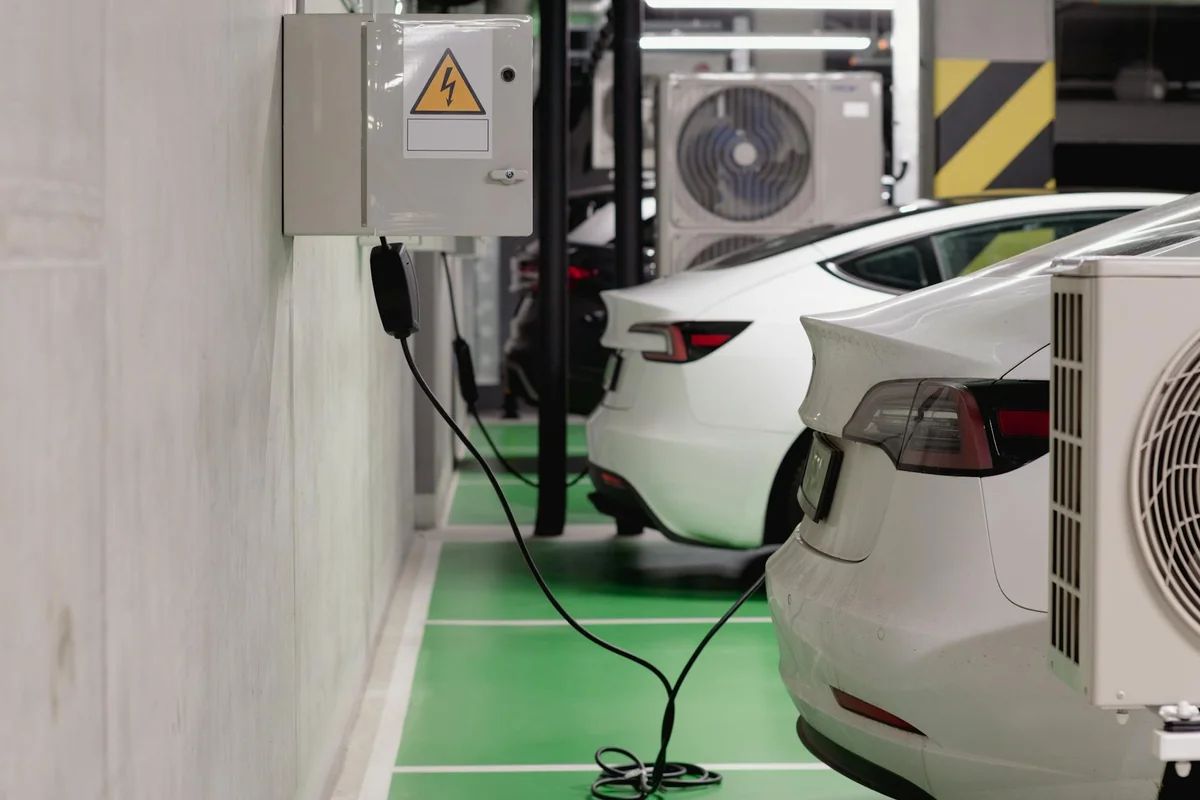
Electric Vehicles (EVs) India mein 2025-26 mein mainstream ho gaye hain. Government subsidies, low running cost aur improved infrastructure ke saath EV ab petrol/diesel cars ka serious alternative hain. Is article mein hum 2026 ke top EV models, real-world range, charging network aur subsidies ka complete guide denge.
Electric Car Kyon Choose Karein?
- Running cost: ₹1.5/km (EV) vs ₹6-8/km (petrol)
- Maintenance: 30-40% kam (no engine oil, fewer moving parts)
- Government incentives: Road tax exemption many states mein
- Zero tailpipe emissions: Air quality benefit
- Silent + smooth drive: No engine noise/vibration
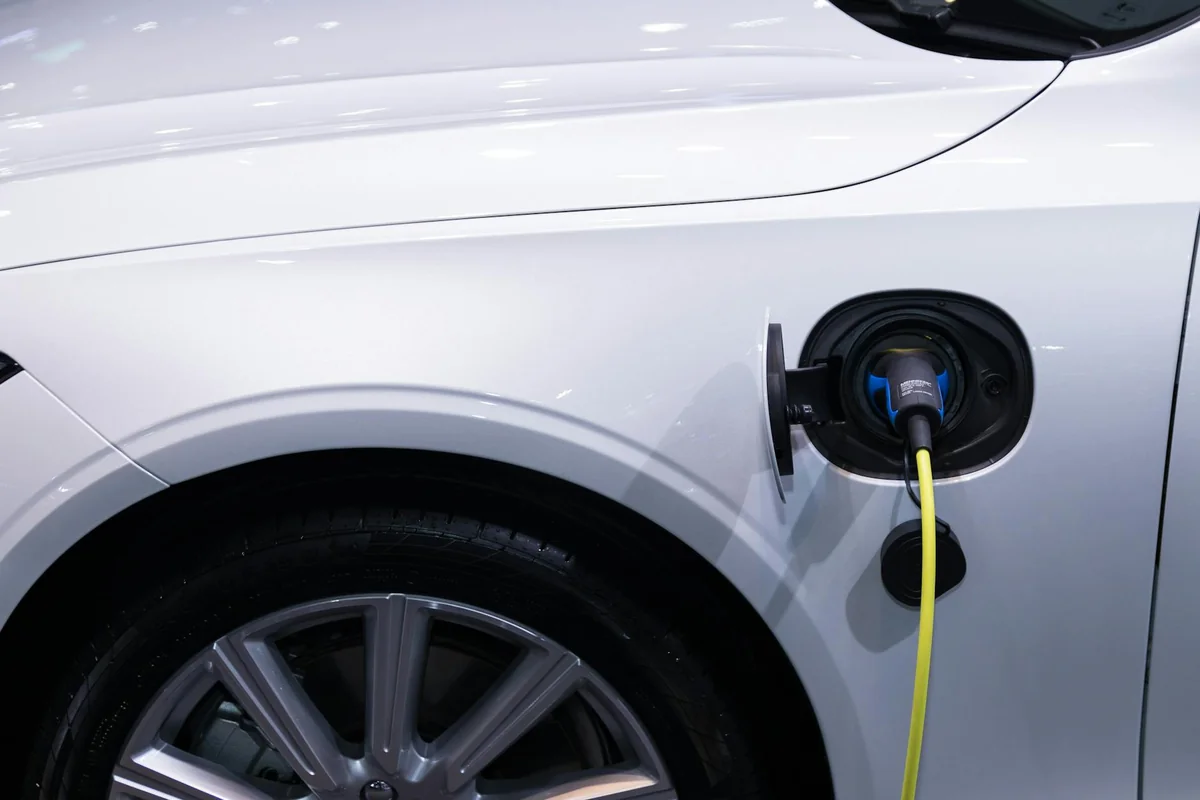
Top 8 Electric Cars in India 2026
1. Tata Nexon EV — India ka Best-Seller
- Price: ₹14.74 - ₹19.94 lakh
- Range: 312-465 km (variants depend karte hain)
- Battery: 30 / 45 kWh options
- Charging: Fast charge 56 min (10-80%), AC charge 5-7 hours
- Best for: Daily commute + occasional long trips
2. Tata Tigor EV
- Price: ₹12.49 - ₹13.75 lakh
- Range: 315 km (ARAI)
- Battery: 26 kWh
- Most affordable EV sedan in India
3. Mahindra XUV400 EV
- Price: ₹15.49 - ₹19.39 lakh
- Range: 375-456 km
- Battery: 34.5 / 39.4 kWh
- Strongest performance: 0-100 in 8.3 seconds
4. MG ZS EV
- Price: ₹18.98 - ₹25.20 lakh
- Range: 461 km
- Battery: 50.3 kWh
- Premium features: i-Smart connected car tech
5. Hyundai Kona Electric
- Price: ₹23.84 - ₹24.04 lakh
- Range: 452 km
- Battery: 39.2 kWh
- Build quality + warranty strong
6. BYD Atto 3
- Price: ₹24.99 - ₹33.99 lakh
- Range: 521 km (claimed)
- Battery: 60.48 kWh (Blade battery)
- Most advanced cell technology in segment
7. Tata Punch EV
- Price: ₹10.99 - ₹15.49 lakh
- Range: 315-421 km
- Battery: 25 / 35 kWh
- Most affordable EV SUV in India
8. Mahindra BE 6e / XEV 9e
- Price: ₹18.90 - ₹26.90 lakh
- Range: 535-682 km (claimed — segment-leading)
- Battery: 59 / 79 kWh
- Latest INGLO platform — India's first dedicated EV architecture
EV Charging Network in India
Public Charging Networks
- Tata Power EZ Charge: 5,500+ stations across 500+ cities (largest network)
- Adani Total Energies: 1,500+ fast chargers
- Statiq: 7,000+ chargers (claimed network)
- ChargeZone: 1,500+ high-speed DC chargers
- Reliance BP: Petrol pump network mein integrate ho raha
Charging Speed Types
- AC Slow (Home): 3.3 kW — 8-10 ghante full charge
- AC Fast: 7.4 kW — 4-6 ghante
- DC Fast: 30-50 kW — 60-90 min
- DC Super Fast: 100+ kW — 30-40 min (10-80%)
Government Subsidies aur Incentives
FAME II Scheme (Central)
- Note: FAME II March 2024 mein expire ho gayi. PM E-Drive scheme replace kar rahi hai
- PM E-Drive (2024-2026): ₹10,900 crore allocated for 2-wheeler, 3-wheeler, e-bus subsidies
- Note: Personal 4-wheeler EV ke liye direct subsidy currently nahi hai (commercial fleets ke liye hai)
State-Level Subsidies (Sample)
- Delhi: Up to ₹1.5 lakh on EV; road tax + registration free
- Maharashtra: ₹1 lakh subsidy + ₹15,000 early adopter incentive
- Gujarat: ₹1.5 lakh on EV cars
- Karnataka: 100% road tax exemption
- Tamil Nadu: Road tax + permit fee exemption
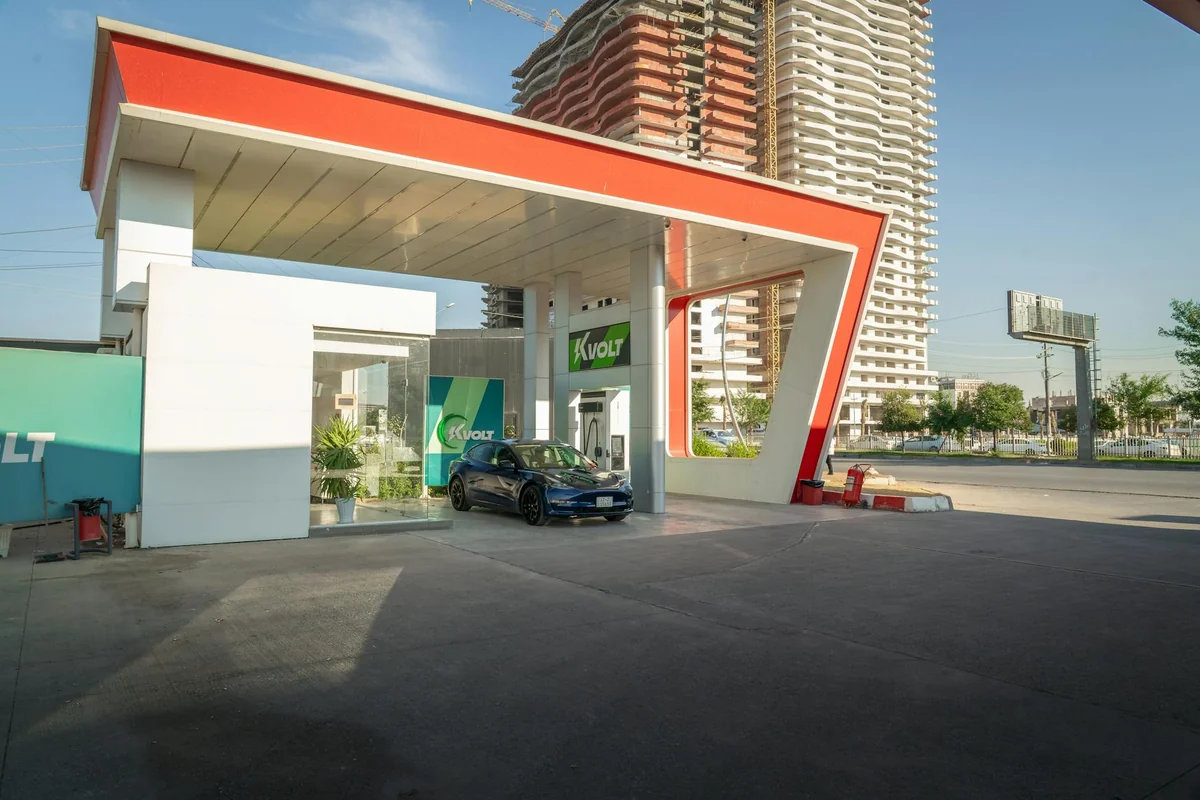
EV Buying Considerations
- Home charging: Apartment complex mein installation NOC zaroori hai
- Real-world range: ARAI range -25% to -30% manein for AC + city traffic
- Battery warranty: Most EVs offer 8 years / 1,60,000 km
- Resale value: Abhi develop ho raha — typically 3-5 saal mein 50-60% retain
- Insurance: 10-20% higher than equivalent ICE car
EV vs Petrol Cost Comparison (5-Year)
- EV: ₹14L on-road + ₹40,000/year electricity + ₹30,000/year maintenance = ~₹17.5 lakh total
- Petrol equivalent: ₹10L on-road + ₹1.2L/year petrol + ₹50,000/year maintenance = ~₹18.5 lakh total
- Conclusion: EV slightly cheaper over 5 years despite higher upfront cost — gap widens with longer ownership
Note: Prices, ranges aur subsidies 2026 ke approximate hain. Detail-specific numbers manufacturer/state government ke latest announcements se confirm karein. EV charging infrastructure rapidly grow ho raha hai — pre-purchase apne city mein public chargers check karein.