The LPG gas crisis for migrant workers in Gujarat has become a severe and continuously escalating problem, profoundly impacting their daily lives and economic situation. This issue is not merely limited to the availability of fuel but is also intertwined with their livelihoods, health, and social security. Millions of migrant laborers working in the state, often low-income and employed in informal sectors, are the most affected by this crisis.
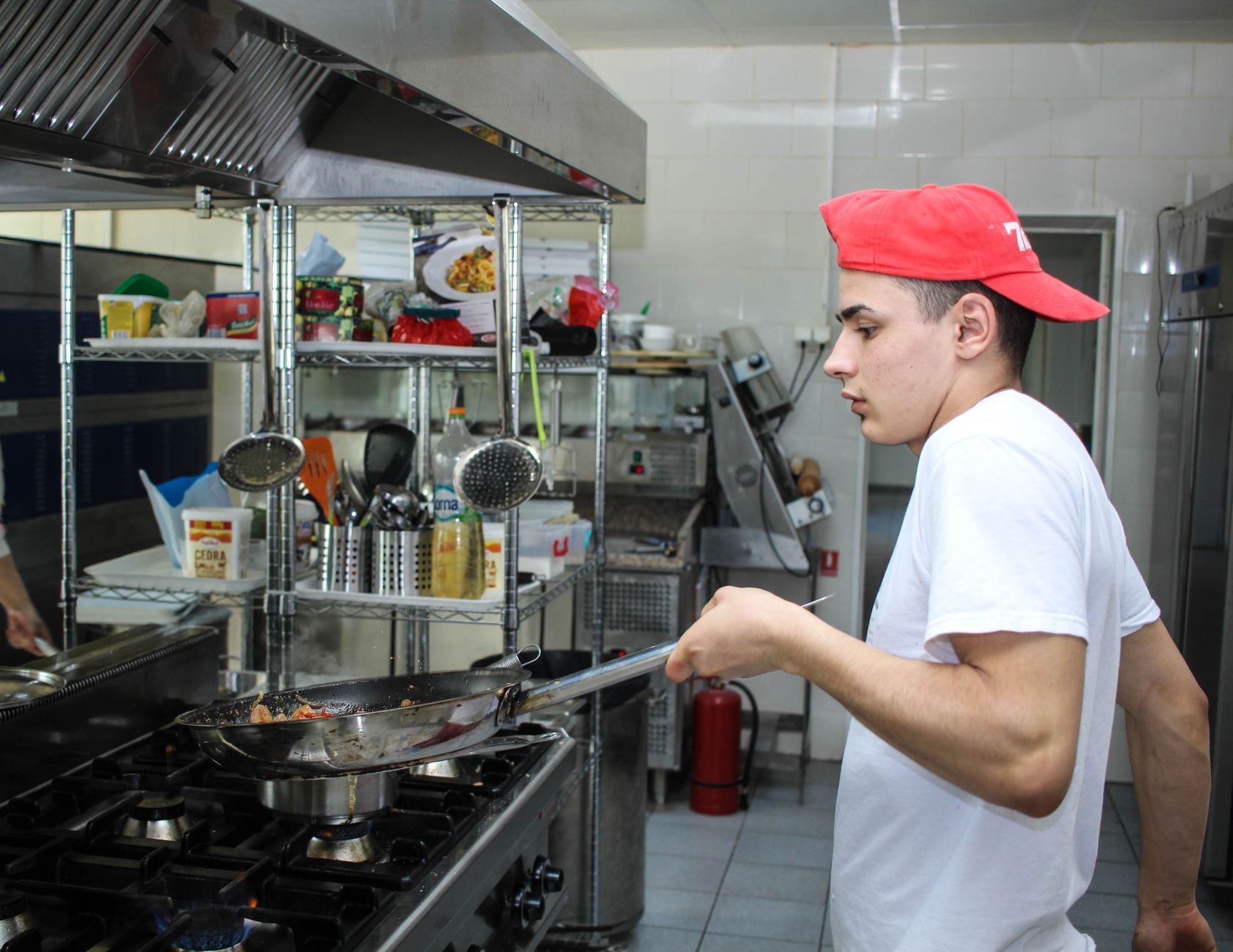 Photo: Creative Vix / Pexels
For these workers, LPG gas is a primary and often the only clean means of cooking. The use of traditional fuels like wood or cow dung cakes is not only environmentally harmful but also adversely affects their health, especially increasing the risk of respiratory diseases among women and children. The shortage of LPG or its rising prices are pushing them back towards these older and unhygienic alternatives.
The root of the problem lies in several factors, including supply chain disruptions, inefficiencies in the distribution network, and sometimes black marketing. Migrant workers often reside in areas where access to gas agencies is difficult, forcing them to stand in long queues or pay higher prices to obtain cylinders. This affects their working hours and cuts into their daily wages.
 Photo: Thobile Nhlapo / Pexels
Furthermore, migrant workers often lack permanent addresses or necessary documents, making it difficult for them to obtain new LPG connections or avail subsidies. This compels them to rely on informal markets, where gas cylinders are often more expensive and their quality can be dubious.
Although the government has taken some steps in this direction, such as providing free LPG connections under the Pradhan Mantri Ujjwala Yojana (PMUY), the benefits of these schemes are not fully reaching migrant workers. This is because they are often registered in their home states and face challenges in transferring their connections to states like Gujarat.
 Photo: Mehmet Turgut Kirkgoz / Pexels
This crisis is not just economic but also social. When women and children spend more time collecting wood for cooking, it affects children's education and women's participation in other activities. This directly diminishes their quality of life and traps them in a cycle of poverty.
Experts believe that the solution to this problem must be multifaceted. It includes strengthening the LPG supply chain, extending the distribution network to migrant-dense areas, and arranging for special identity cards or portable connections for them. Subsidy schemes also need to be made more flexible so that migrant workers can benefit from them anywhere.
The role of local administration and non-governmental organizations (NGOs) is also crucial. They can conduct awareness campaigns, educate workers about their rights, and assist them in the process of obtaining gas connections. Community kitchens or shared gas facilities could also be a temporary solution.
As a long-term solution, promoting renewable energy sources, such as solar-powered cooktops, could also be an option. However, their initial cost is high, which can be a barrier for migrant workers. Therefore, government support is essential to make these technologies affordable and accessible to them.
The contribution of migrant workers to Gujarat's economy is invaluable. Improving their lives is not only important from a humanitarian perspective but also essential for the state's overall development. By resolving the LPG crisis, both the government and society can help these hardworking laborers live a dignified life.
Ensuring that every household has access to clean and affordable energy is a crucial part of sustainable development goals. Resolving the LPG crisis for migrant workers would be a significant step in this direction, bringing positive change to the lives of millions.
Until a permanent and effective solution to this problem is found, migrant workers will continue to grapple with this dilemma: either spend a large portion of their limited income on fuel or resort to traditional methods, risking their health and the environment.
Therefore, it is imperative that the Gujarat government and relevant departments prioritize this issue and take concrete steps that can provide lasting relief to migrant workers from this LPG crisis. Alleviating their hardships is not only their right but also the duty of a responsible society.
Addressing the LPG Crisis for Migrant Workers: Challenges and Pathways
There are several challenges in resolving this crisis. Firstly, the transient nature of migrant workers and their frequently changing addresses make it difficult to provide them with permanent connections. Secondly, a lack of awareness and unavailability of documents often deprive them of government schemes. Thirdly, improving the supply chain and ensuring last-mile distribution is a major administrative challenge. To tackle these challenges, a coordinated and multi-stakeholder approach is required, where the government, oil companies, local bodies, and civil society organizations all work together.