The Punjab Congress appears to be once again gripped by internal strife and factionalism. Just ahead of the upcoming assembly elections, speculations of a major organizational reshuffle within the party have intensified, further escalating tensions among various factions. This situation arises at a time when the party desperately needs to present a united front for the electoral battle.
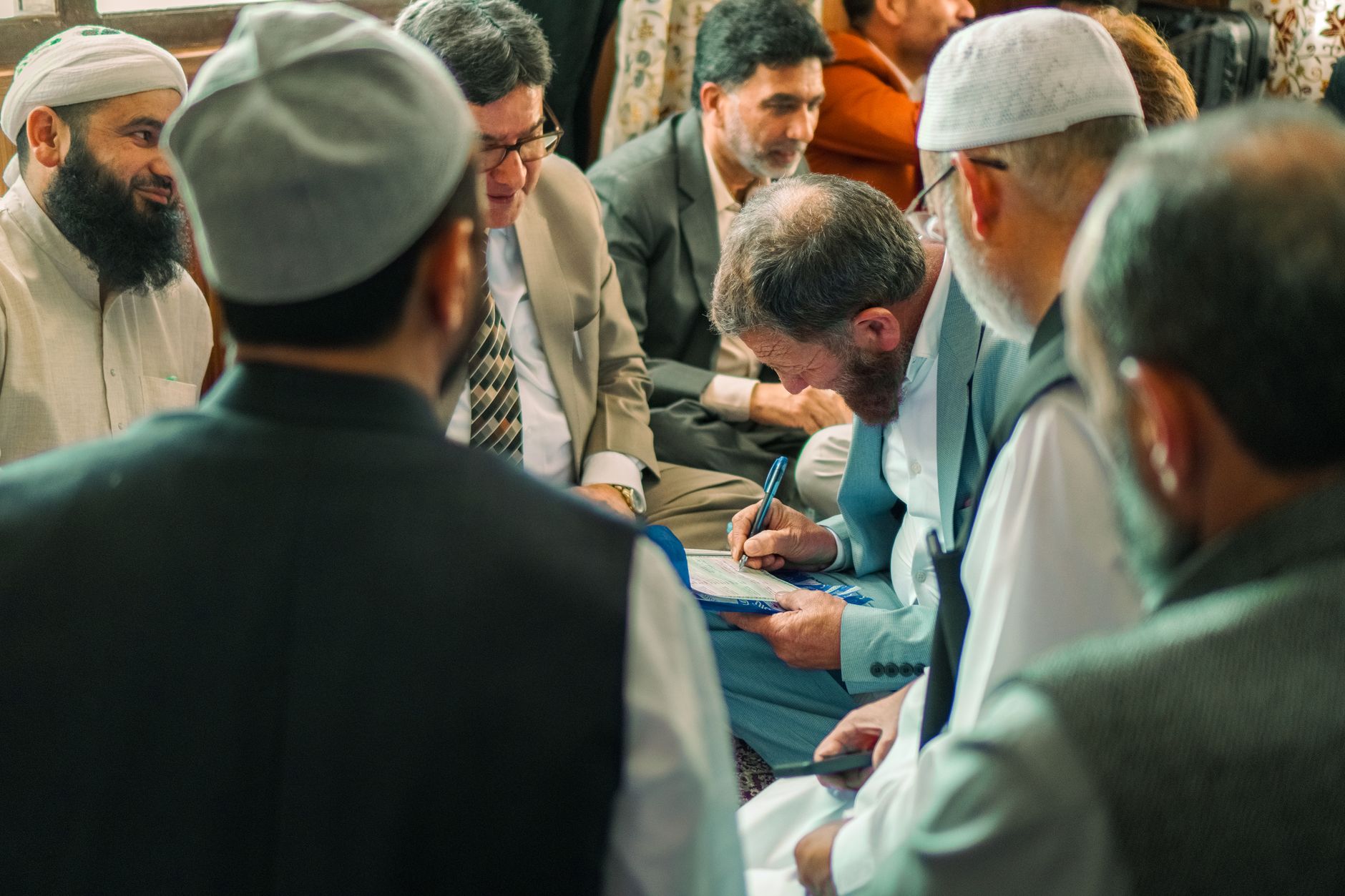 Photo: Yassir Abbas / Pexels
According to sources, the Congress high command is considering leadership changes in the Punjab unit and bringing in new faces for key positions. This exercise is aimed at revitalizing the party and sharpening its electoral strategy. However, this potential overhaul has caused unease among existing leaders and their supporters, bringing factionalism back to the surface.
For some time now, the Punjab Congress has witnessed disagreements and tug-of-war among various leaders. However, as elections draw nearer, this factionalism has become more vocal. One faction advocates for a change in the current leadership, while another prefers maintaining the status quo. This internal conflict is likely to directly impact the party's election preparations.
Discussions are also rife within the party that several senior leaders, currently marginalized, might be brought back into the mainstream. Conversely, some incumbent office-bearers could be removed. Such changes naturally breed discontent, and the Punjab Congress is no exception.
It is important to note that the history of Punjab Congress is replete with internal conflicts. The party faced similar challenges in previous elections as well. However, at that time, the leadership somehow managed to maintain unity, but this time the situation appears to be a bit more complex.
 Photo: Gustavo Fring / Pexels
It is a major challenge for the high command to find a way that can unite the party while satisfying all factions. If a reshuffle occurs, it must ensure that it does not further exacerbate discontent, but rather motivates everyone to fight the elections together.
A primary reason behind the potential reshuffle is also the desire to improve the party's performance in the state. The high command believes that with new faces and renewed energy, the party can regain its foothold among voters. However, how successful this move will be remains to be seen.
Some analysts believe that if this reshuffle is not handled correctly, it could have an adverse effect. Disgruntled leaders could create problems for the party, potentially benefiting rival parties. Therefore, the high command must proceed very thoughtfully and cautiously.
Given the upcoming elections, it is crucial for the Punjab Congress to resolve its internal challenges as soon as possible. If factionalism persists, it will undoubtedly harm the party's electoral prospects. All eyes are now on the high command's next move to see how it navigates this complex situation.