A dispute over the distribution of water from a dam in Rajasthan, which has been ongoing for the past two decades, is once again in the news. This case is not just about the management of water resources, but also serves as a significant example of the clash between regional aspirations and the interests of farmers. This prolonged struggle has not only posed challenges for local administration but has also compelled the judicial system to deliberate on this complex issue multiple times.
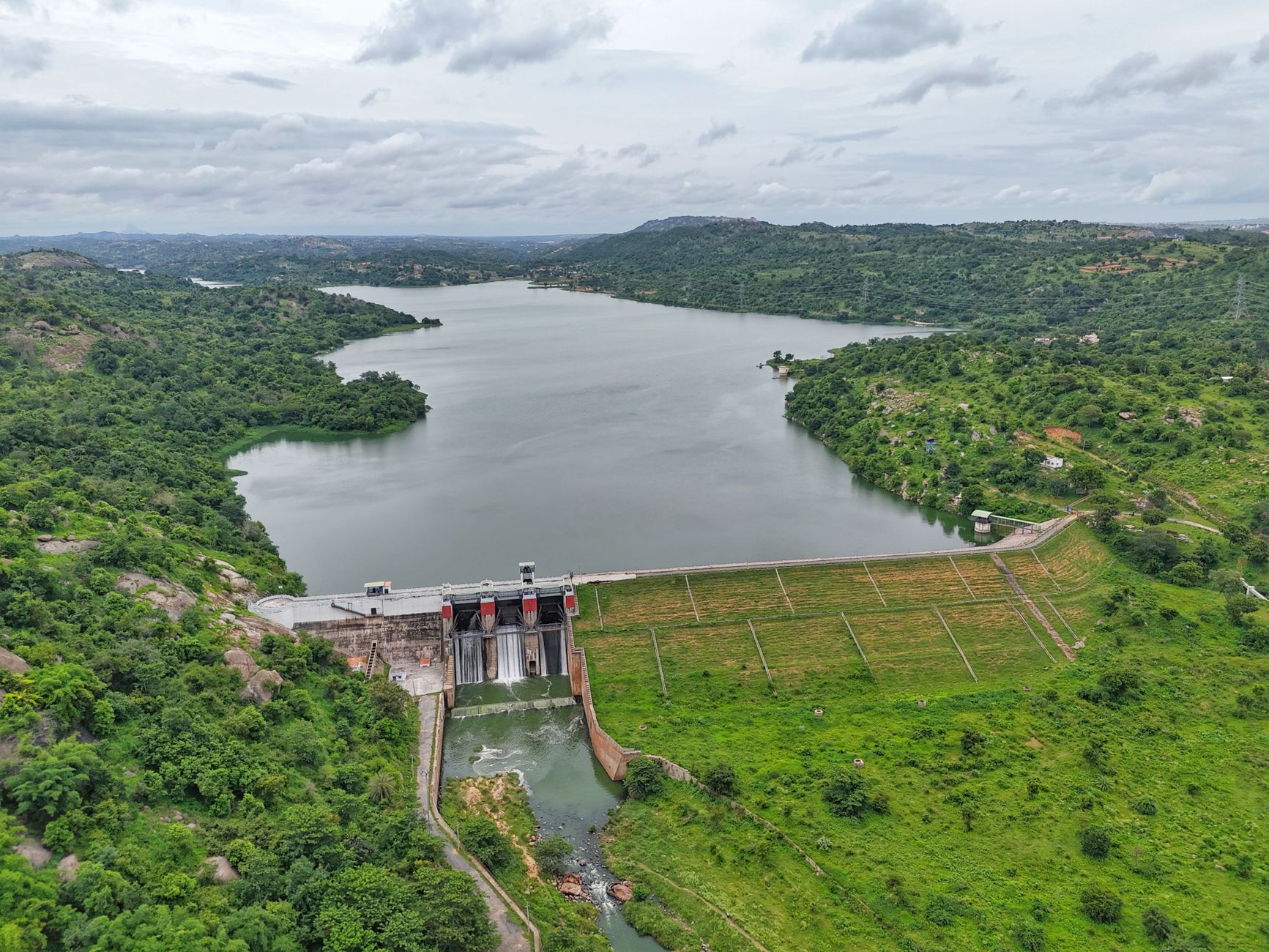 Photo: VISHWANATH / Pexels
The dispute primarily revolves around the use of water between two neighboring districts or regions. One region claims that the dam's water has historically been reserved for their agricultural and drinking water needs, while the other region is demanding an equal share for its growing population and agricultural expansion. This issue becomes even more critical during years of uncertain monsoons and water scarcity, when every drop becomes vital.
The roots of the dispute were laid 20 years ago when a new water distribution plan from the dam was proposed. This plan led to disagreements between the two parties. One side alleged that the new plan would reduce their share of water, while the other described it as an attempt at a more equitable distribution. Since then, the matter has remained a focal point for local meetings, protests, and political debates.
 Photo: Atharva Sune / Pexels
On several occasions, the local administration and the state government have intervened to resolve the issue. Various committees were formed, mediation efforts were made, and numerous proposals for resolution were presented. However, complete consensus could not be reached on any solution by both parties, leading to a continued stalemate.
Eventually, the matter reached the judicial system. Petitions were filed in courts at various levels, with both parties presenting their respective claims and arguments. It was a long and complex legal battle, involving intense deliberation on water rights, historical usage patterns, and technical reports.
 Photo: Dipinder Rainu / Pexels
The High Court has delivered a significant verdict in this case. The court, after considering the arguments of all parties and the available evidence, issued a detailed judgment. This ruling has established a specific formula or guidelines for water distribution, aiming to balance the needs of both regions and provide a lasting solution to the dispute.
In its judgment, the court also clarified that the management of water resources is crucial not only for meeting current needs but also for ensuring their availability for future generations. The court has directed the state government and relevant departments to strictly adhere to this decision and ensure the equitable and efficient use of water.
However, even after the court's decision, challenges remain at the grassroots level. One party has welcomed the verdict, while the other has expressed some objections or shown reluctance to fully accept it. This indicates that despite a legal resolution, social and emotional aspects still play a significant role in this dispute.
For the state government and local authorities, it is now a major challenge to ensure effective compliance with the court's order. This will involve making necessary changes to the water distribution system, establishing monitoring mechanisms, and implementing measures to build trust between the two communities.
This entire episode underscores that disputes related to the sharing of vital natural resources like water cannot be fully resolved solely through legal or administrative means. Community participation, dialogue, and a willingness to understand each other's needs are equally important.
This case could set a significant precedent for water management policies in Rajasthan and for dealing with such disputes in the future. The state government now needs to develop a long-term strategy that not only resolves existing disputes but also prevents potential conflicts related to water sharing in the future.
Experts believe that to resolve such disputes, legal intervention alone is not enough; focus must also be placed on measures like water conservation, promoting efficient irrigation practices, and exploring alternative water sources. Only then can a permanent solution to water issues be achieved in a water-stressed state like Rajasthan.
It will be interesting to see how this court decision is implemented on the ground and whether it can truly bring a permanent end to this complex water dispute that has lasted for two decades. This will certainly be a significant chapter in the history of water management in Rajasthan.
Historical Context of the Water Dispute
The dispute over the dam's water is not merely a present-day problem; it is also rooted in historical water usage patterns and regional development disparities. For centuries, certain areas have enjoyed preferential access to water, while others have consistently struggled with scarcity. The construction of modern dams and canals has sometimes exacerbated these historical inequalities, giving rise to new conflicts. In this particular case, one party cites historical rights, while the other emphasizes principles of equity and necessity.