Growing protests in Pakistan Occupied Kashmir (PoK) demanding integration with India have sent shockwaves through the corridors of power in Islamabad and Rawalpindi. Recent demonstrations have seen slogans like 'Merge with India' and 'We want to go to India' echoing, highlighting deep dissatisfaction with Pakistan's rule in the region. This situation has become a grave concern for Pakistani Army Chief General Munir and Prime Minister Shehbaz Sharif, whose government is already grappling with numerous internal and external challenges.
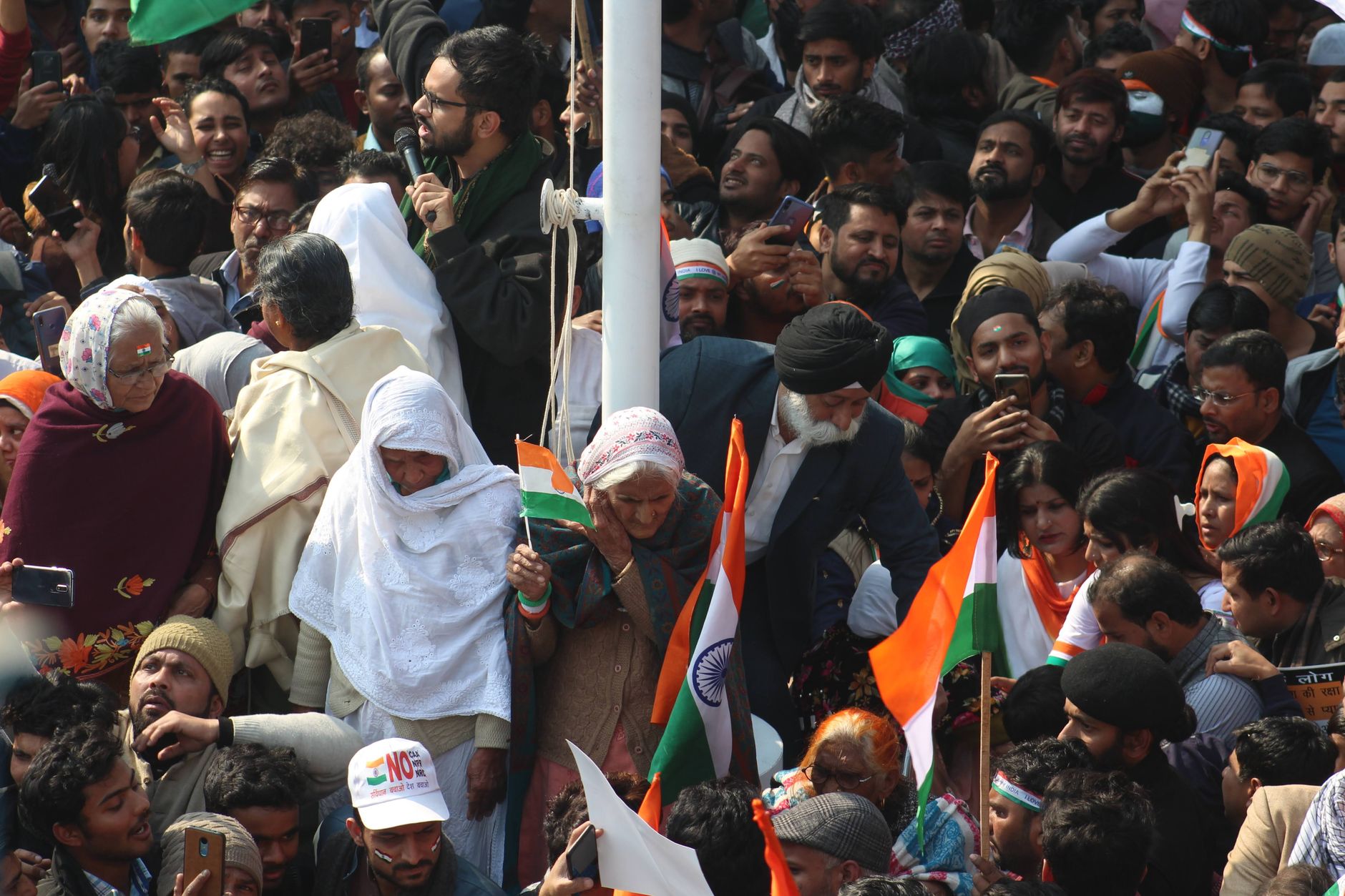 Photo: Shakeb Tawheed / Pexels
The intensity and widespread nature of these protests are unprecedented. Protesters are not only struggling with a lack of basic facilities and economic hardship but are also fed up with Pakistan's oppressive rule and human rights violations. They are now openly advocating for their future to be linked with India, signaling a major geopolitical shift for a region under Pakistani occupation for decades.
Appeal for Help from Jammu and Kashmir
Another significant development during the protests has been the direct appeal for help from the people of Jammu and Kashmir by the demonstrators. They have conveyed messages that they desire integration with India and that the support of the people of Jammu and Kashmir would be crucial for them in this process. This appeal presents both a delicate diplomatic challenge and an opportunity for India.
 Photo: Gogo / Pexels
This is a clear indication that people in PoK are now tired of Pakistan's false promises and are looking for a future where they can find dignity, security, and economic opportunities. They are increasingly viewing India as a country that can provide these, especially as they witness the development and stability in Jammu and Kashmir.
For Pakistan, this situation is a major blow. For decades, Pakistan has referred to PoK as its 'sheh-rag' (jugular vein), and now demands for integration with India from the same region are devastating for its international image and regional claims. This also demolishes Pakistan's narrative that the people of Kashmir wish to remain with Pakistan.
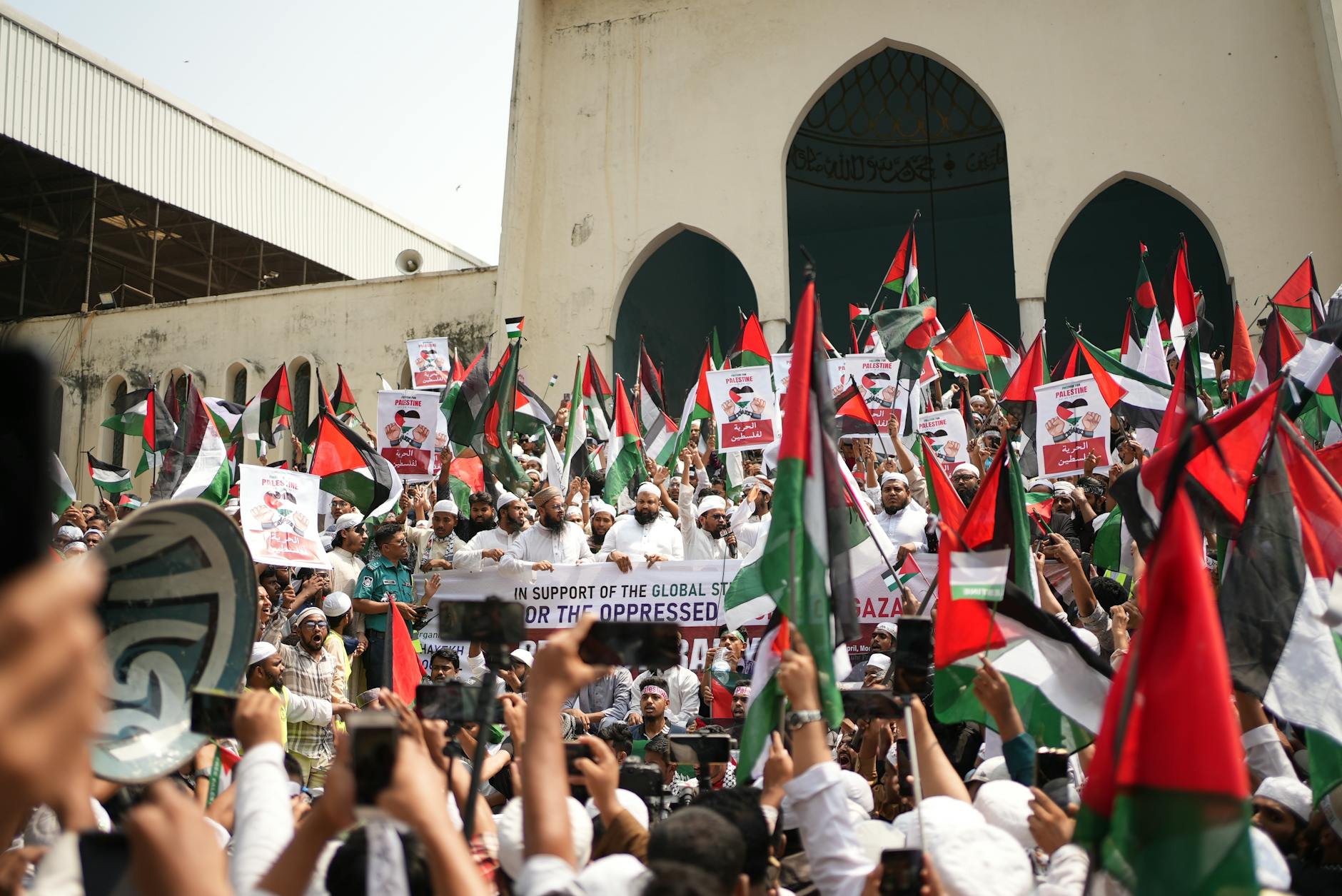 Photo: Monirul Islam / Pexels
Mounting Pressure on Pakistan
For General Munir and Prime Minister Shehbaz Sharif, this situation will increase pressure not only internally but also internationally. Pakistan will now face questions about its policies and human rights record in PoK. India has always maintained that PoK is an integral part of its territory, and these protests will further strengthen India's claim.
It will be interesting to see how Pakistan handles this situation. Will it resort to repression, which could further escalate the situation, or will it consider the demands of the protesters? Any attempt at repression would invite strong condemnation from the international community and further fuel the discontent of the people of PoK.
For India, this is a delicate situation. It must respect the sentiments of the people of PoK while upholding its principles of sovereignty and territorial integrity. India will have to manage this situation with great caution and diplomacy to ensure peace and stability.
This development signals a significant turning point in regional geopolitics. The people of PoK are now raising their voices, and they are seeking a better future. Their demands pose a major challenge for Pakistan and a significant opportunity for India. Greater changes may be witnessed in the region in the coming days.
Pakistan's economic crisis and political instability have further deepened the discontent among the people in PoK. Soaring inflation, unemployment, and power shortages have made life difficult for the populace, leading to increased frustration with the Pakistani government.
These protests are not merely limited to economic grievances but are also against the military and political establishment of Pakistan, which has controlled the region for decades and hindered its development. People are now demanding their rights and self-determination.
The international community should also pay attention to this situation. Any attempts to suppress human rights and the democratic aspirations of the people should be opposed. The voices of the people of PoK must be heard, and their future should be determined according to their will.
Overall, this development in PoK signals a serious crisis for Pakistan, while for India, it is a sensitive but crucial opportunity. The future of this region stands at a crossroads, and it will have far-reaching consequences in the times to come.