With the commencement of American President Donald Trump's second term, a new chapter appears to be unfolding in India-US relations. Particularly in a sector where India has traditionally relied heavily on Middle Eastern countries, the US is now emerging as a significant alternative. This shift is not only altering geopolitical equations but also strengthening India's energy security and strategic autonomy.
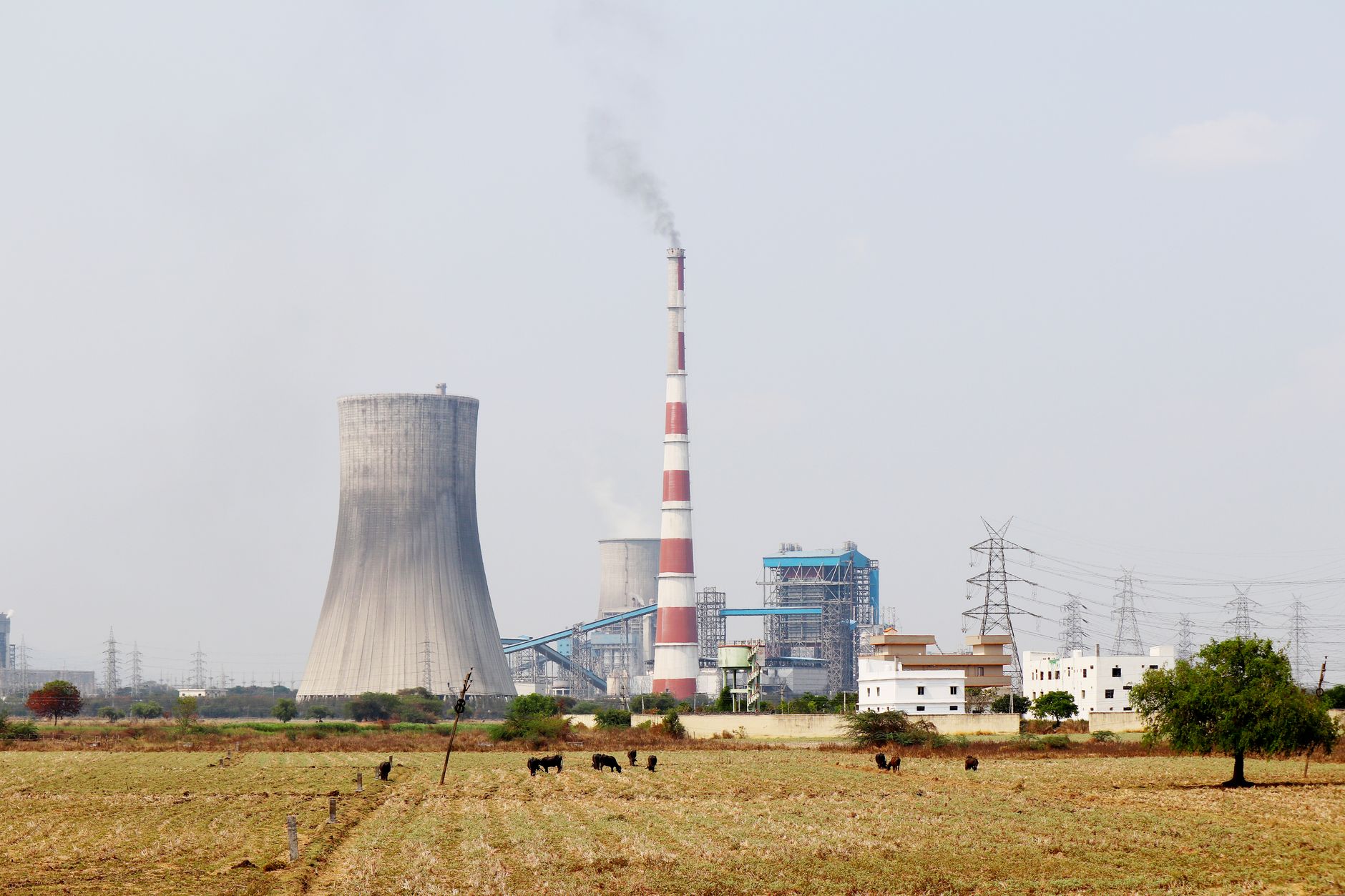 Photo: Sharath G. / Pexels
For a long time, India has been highly dependent on countries like Saudi Arabia, Qatar, and the United Arab Emirates (UAE) for its crude oil and gas needs. These nations have been major energy suppliers for India, and this dependence has established deep economic and political ties between the two regions. However, changes in global energy markets and America's growing energy production capacity have begun to alter this landscape.
Under Donald Trump's 'America First' policy, the US has boosted its domestic oil and gas production, making it one of the world's largest energy producers. This increased availability has made the US an attractive option for large energy consumers like India. Imports of liquefied natural gas (LNG) and crude oil from the US are providing a new and reliable source for India.
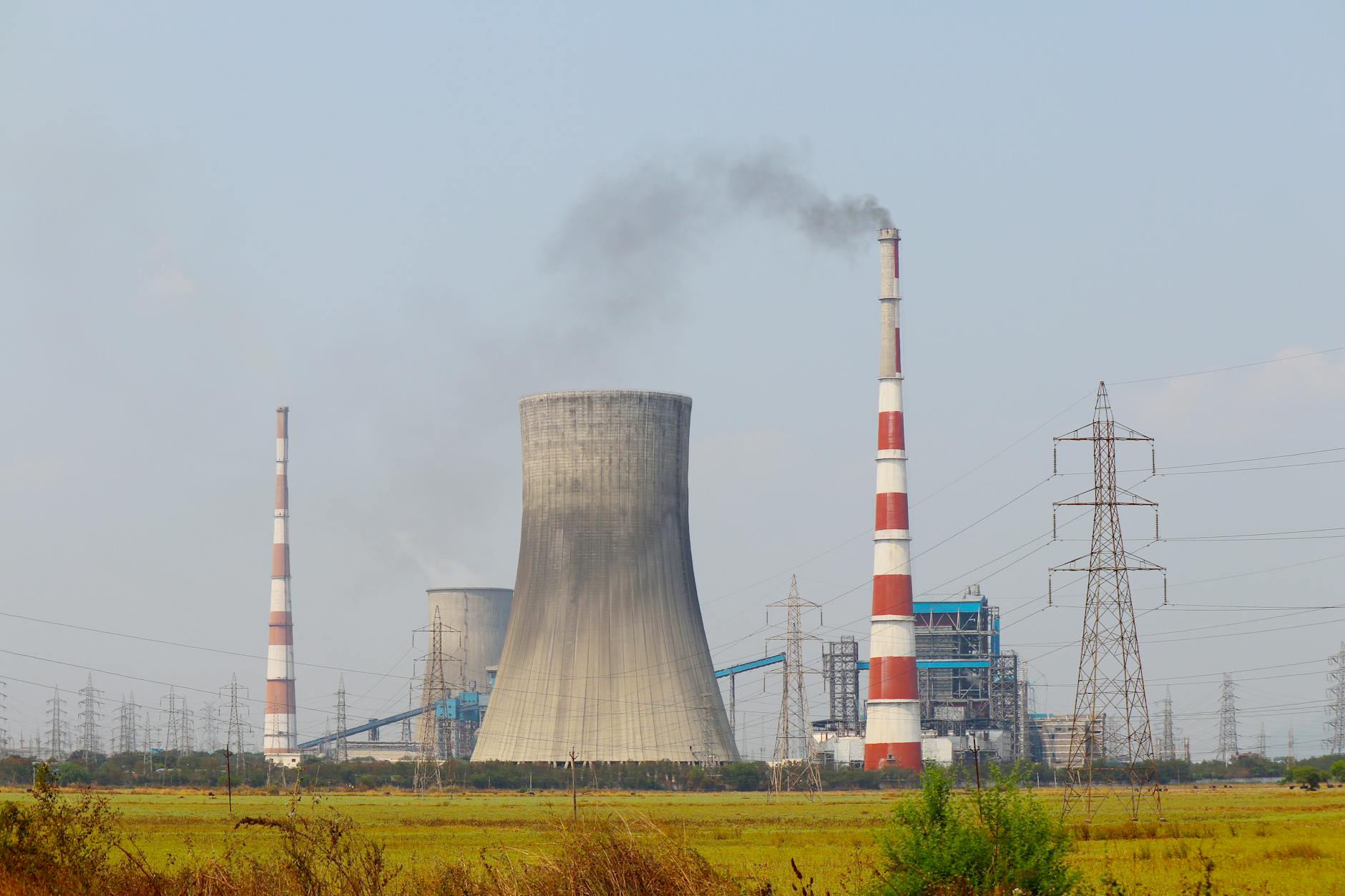 Photo: Sharath G. / Pexels
This change is significant for India in several ways. Firstly, it diversifies India's energy supply. Over-reliance on any single region or group of countries can increase the risk of geopolitical instability or supply disruptions. By importing from the US, India is strengthening its energy security and mitigating its risks.
Secondly, it provides India with greater flexibility in its foreign policy. When dependence on certain countries for energy decreases, India can act more independently in its relations with those countries. This allows India to better pursue its national interests, free from external pressures.
 Photo: Samar Mourya / Pexels
Furthermore, energy imports from the US can also be economically beneficial for India. Competitive prices and various contract options can put India in a better bargaining position. Through long-term contracts and strategic partnerships, India can ensure greater stability and predictability for its energy requirements.
In this emerging scenario, traditional suppliers like Saudi Arabia, Qatar, and the UAE may need to consider new strategies to maintain their market share. They will have to make their offerings more attractive for key customers like India, including pricing, supply terms, and other investment opportunities.
The India-US strategic partnership is not limited to energy alone. Cooperation between the two countries is also growing in areas such as defense, technology, and trade. Under the Trump administration, these ties have further strengthened, helping India solidify its position as an important player on the global stage.
It would not be wrong to say that Trump's personal friendship and his administration's policies have given a new direction to India-US relations. This is not just a temporary trend but an indication of a long-term strategic shift that is likely to continue in the coming years. For India, this is an opportunity that will help it take its energy security and strategic autonomy to unprecedented levels.
This shift will have far-reaching consequences, not only for India and the US but also for the global energy market and geopolitics. It demonstrates how emerging global circumstances and relations between major powers can challenge traditional equations and create new opportunities. India is emerging as a significant beneficiary in this new equation.
India's Evolving Energy Strategy
This shift in India's energy strategy marks a significant milestone. It's not merely a matter of replacing one supplier with another, but a conscious effort to diversify its energy basket and mitigate geopolitical risks. Deeper energy ties with the US provide India with a stronger position in the global energy market.
Geopolitical Implications
The geopolitical implications of this change are also profound. It will reshape India's relations with Middle Eastern countries and strengthen American influence in the Indo-Pacific region. For India, this is a balancing act, where it must leverage new opportunities while maintaining relations with its traditional allies.