The weather across several parts of India is experiencing significant changes today, Saturday. While North India is being drenched by monsoon showers, the western coast continues to witness heavy rainfall. Delhi-NCR has been receiving intermittent rain since morning, bringing much-needed relief from the humid heat. This rainfall in the capital and its surrounding areas also brings good tidings for farmers who were eagerly awaiting it for Kharif sowing.
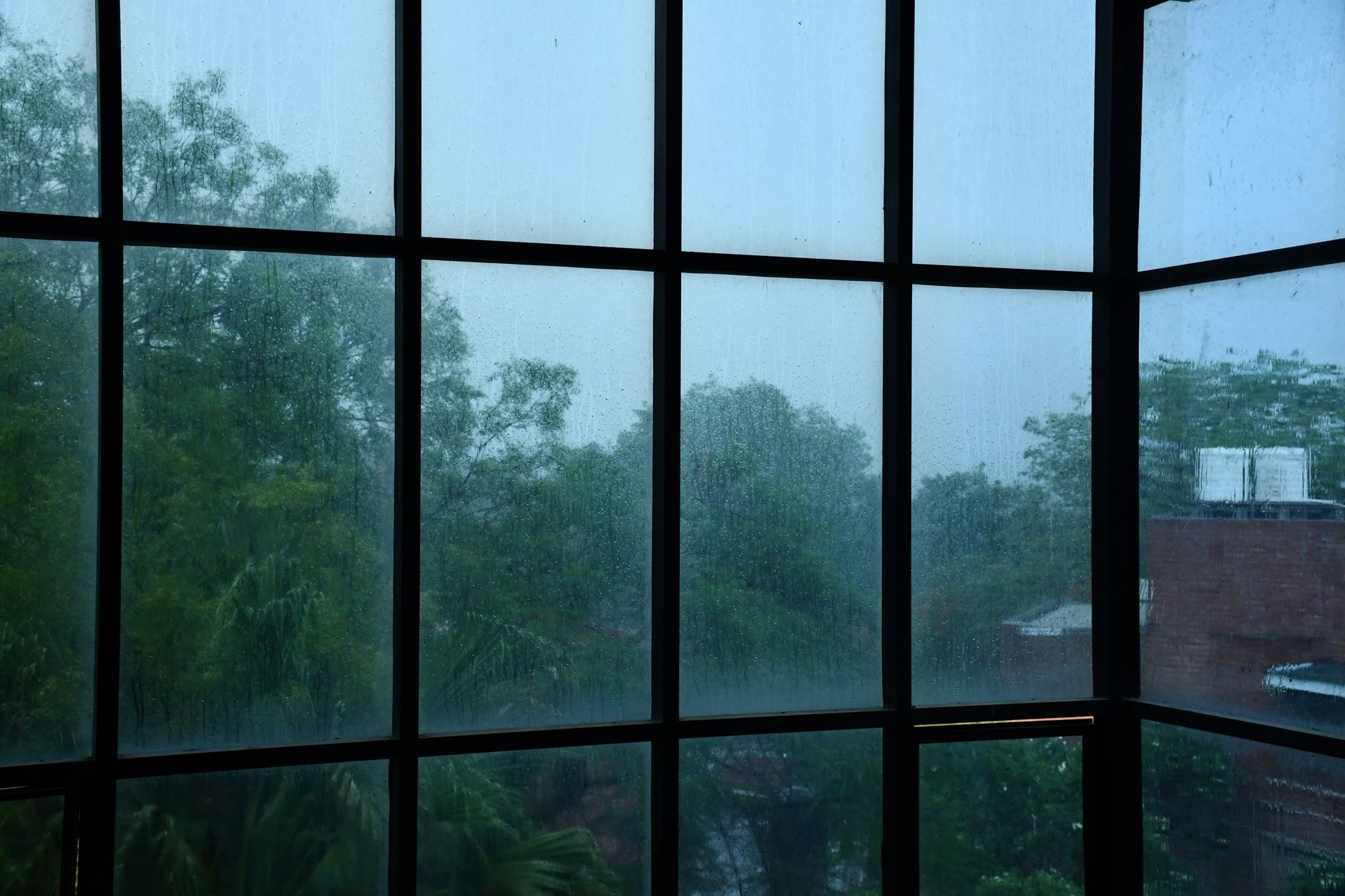 Photo: Ayush Pandit / Pexels
The Indian Meteorological Department (IMD) has forecast more rain for Delhi and its adjoining regions in the coming hours. According to the department, this situation is due to the active monsoon. The rain led to waterlogging on roads in the morning, causing some traffic slowdowns, but commuters were also seen enjoying the pleasant weather. A notable drop in temperature has been recorded, bringing a cool embrace to the atmosphere.
Meanwhile, the situation in Mumbai, the financial capital of India, is quite different. The IMD has issued a 'Red Alert' for Mumbai and its surrounding coastal areas. This indicates a high probability of extremely heavy rainfall in these regions, which could severely impact daily life. The administration has advised people to remain vigilant and avoid venturing out unnecessarily. Disaster management teams are fully prepared to tackle potential waterlogging in low-lying areas.
 Photo: Bibhukalyan Acharya / Pexels
Continuous rainfall in Mumbai over the past 24 hours has led to waterlogging in several areas. Local train services, the lifeline of Mumbai, are running with some delays, though no major disruptions have been reported yet. The Maharashtra government has warned fishermen not to venture into the sea and has urged residents in coastal areas to move to safer locations. Schools and colleges may also be declared closed for the day.
Central India is also experiencing good monsoon activity. Moderate to heavy rainfall has been recorded in parts of Madhya Pradesh and Chhattisgarh. Farmers in these states are also showing signs of happiness, as this rain is like nectar for their crops. However, there is also a risk of flood-like situations in some rural areas due to rising water levels in rivers and streams.
 Photo: Shantum Singh / Pexels
In Eastern India, light to moderate rainfall is expected in parts of Bihar and Jharkhand. The coastal areas of West Bengal and Odisha are also feeling the effects of the monsoon, with rain expected to continue for the next few days. The monsoon is also in full swing in the northeastern states, where heavy rainfall warnings have been issued for Assam, Meghalaya, and Arunachal Pradesh.
Hilly states, particularly Uttarakhand and Himachal Pradesh, are also experiencing active monsoon conditions. These states face a risk of landslides and flash floods, so local administrations have advised tourists and residents to exercise caution. Pilgrims heading for the Char Dham Yatra have also been urged to pay attention to weather department warnings.
Overall, the arrival and activity of the monsoon across a large part of the country have brought relief to farmers but are also creating challenges related to waterlogging and traffic in urban areas. The IMD has predicted similar weather conditions to persist in various parts of the country for the next few days.
Monsoon Activity and Agricultural Impact
This year's monsoon onset is considered favorable, especially in North and Central India. The rainfall in Delhi-NCR is creating conducive conditions for the sowing of Kharif crops such as paddy, maize, and millets. Farmers are hopeful that good rainfall will lead to better yields this year, thereby improving their economic situation.
However, the excessive rainfall in Mumbai and along the western coast remains a concern. Heavy rains can damage standing crops, and urban flooding disrupts daily life. The government and agricultural experts are continuously monitoring the weather and providing necessary advice to farmers.
Impact on Traffic and Daily Life
While the rain in Delhi-NCR has brought down temperatures and provided relief from the heat, waterlogging on roads has slowed down traffic. In Mumbai, the Red Alert could significantly impact public transport. Local trains and buses may run late, causing inconvenience to commuters.
The administration has appealed to citizens to check weather information before planning their travel. Additionally, advice has been given to stay away from electricity poles and fallen trees. Disaster management teams are prepared to handle any emergency situation.
The Meteorological Department states that these conditions may persist for the next 24 to 48 hours. People need to remain vigilant and follow government guidelines to avoid any untoward incidents.