
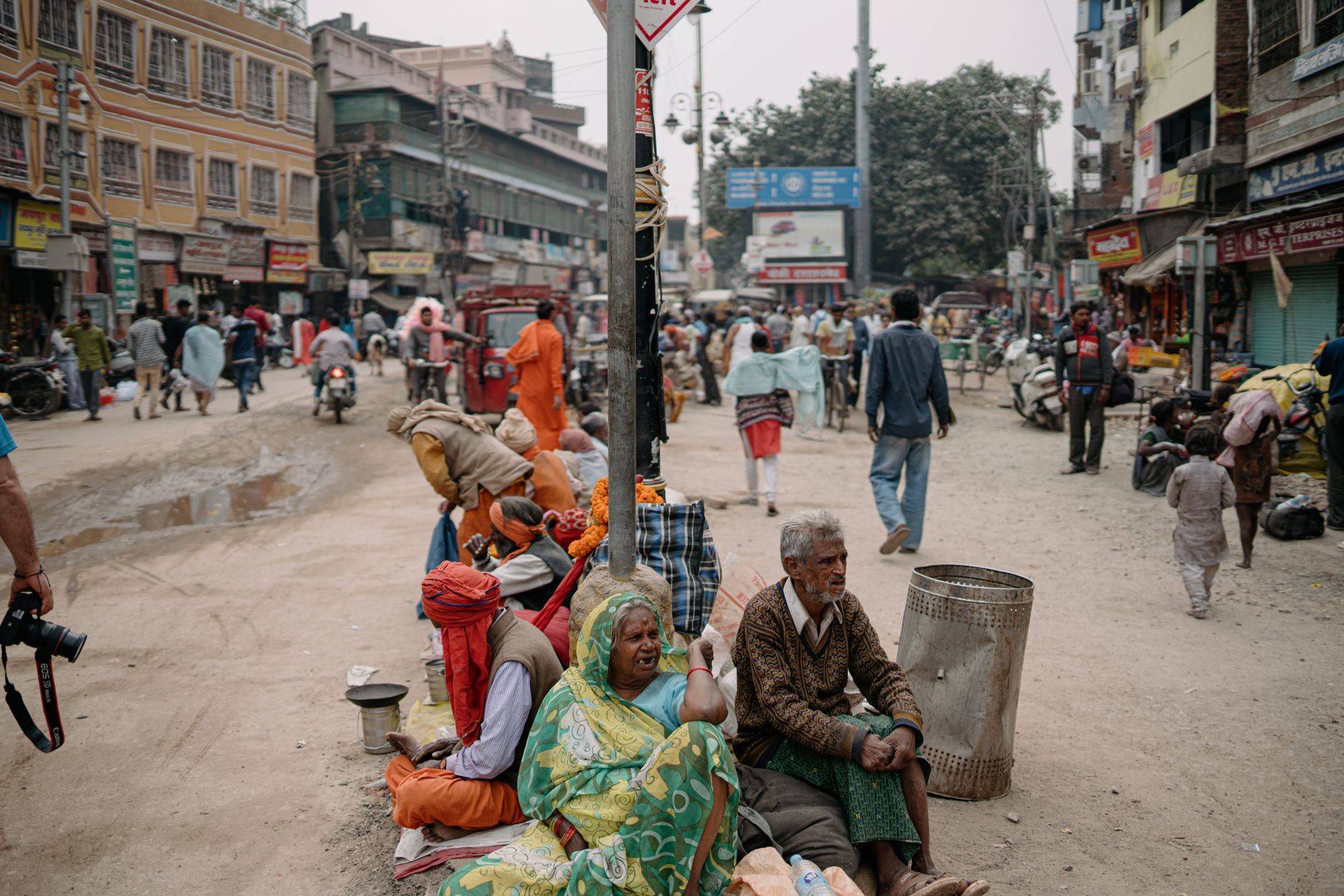
Uttar Pradesh, the political heartland of India, has always played a crucial role in determining the nation's political trajectory. Amidst upcoming elections and evolving political landscapes, it becomes imperative to understand the sentiments of the common people in the state towards the ruling Bharatiya Janata Party (BJP). To conduct this in-depth investigation, our team visited five major cities in Uttar Pradesh and engaged in direct conversations with their residents. The objective of this ground report is to deeply comprehend the changing or stable public perception of the BJP.
 Photo: Mahmut Yılmaz / Pexels
Our journey commenced in Lucknow, the state capital and a hub of political activity. In the markets, tea stalls, and public spaces here, we interacted with people from various walks of life. Many lauded the development work undertaken by the BJP government, particularly in infrastructure development and improvements in law and order. A local shopkeeper remarked, “We are staunch BJP supporters, but…” and this is where the narrative takes a new turn. This 'but' represents the sentiments of many, highlighting certain concerns despite their support.
In Kanpur, being an industrial city, employment and economic development were key topics of discussion. Among the youth and small traders, mixed feelings about the future were observed. Some described government policies as business-friendly, while others expressed concerns about rising inflation and unemployment. A young graduate commented, “The government has done a lot of work, especially on the security front, but job opportunities are still a major challenge.” This indicates that while there might be satisfaction with security and order, economic expectations still persist.
 Photo: Mahmut Yılmaz / Pexels
Varanasi, as the Prime Minister's parliamentary constituency, holds special significance. A deep inclination towards the BJP was observed among the people here regarding religious and cultural identity. Conversations along the ghats and near temples revealed many appreciating the government's cultural preservation policies and efforts to promote religious tourism. However, some also emphasized the need for more attention to local civic amenities and cleanliness. This shows that while religious identity is a strong base, everyday challenges also matter.
In Prayagraj, issues related to education and the judicial system were discussed more frequently. Students and advocates shared their views on the impact of government policies. Some welcomed reforms in the education sector, while others expressed concerns about competitive entrance exams and job opportunities. A professor stated, “The BJP has made big decisions, but the ground-level impact of these decisions needs further analysis.” This 'but' once again raises questions about the outcomes of government decisions.
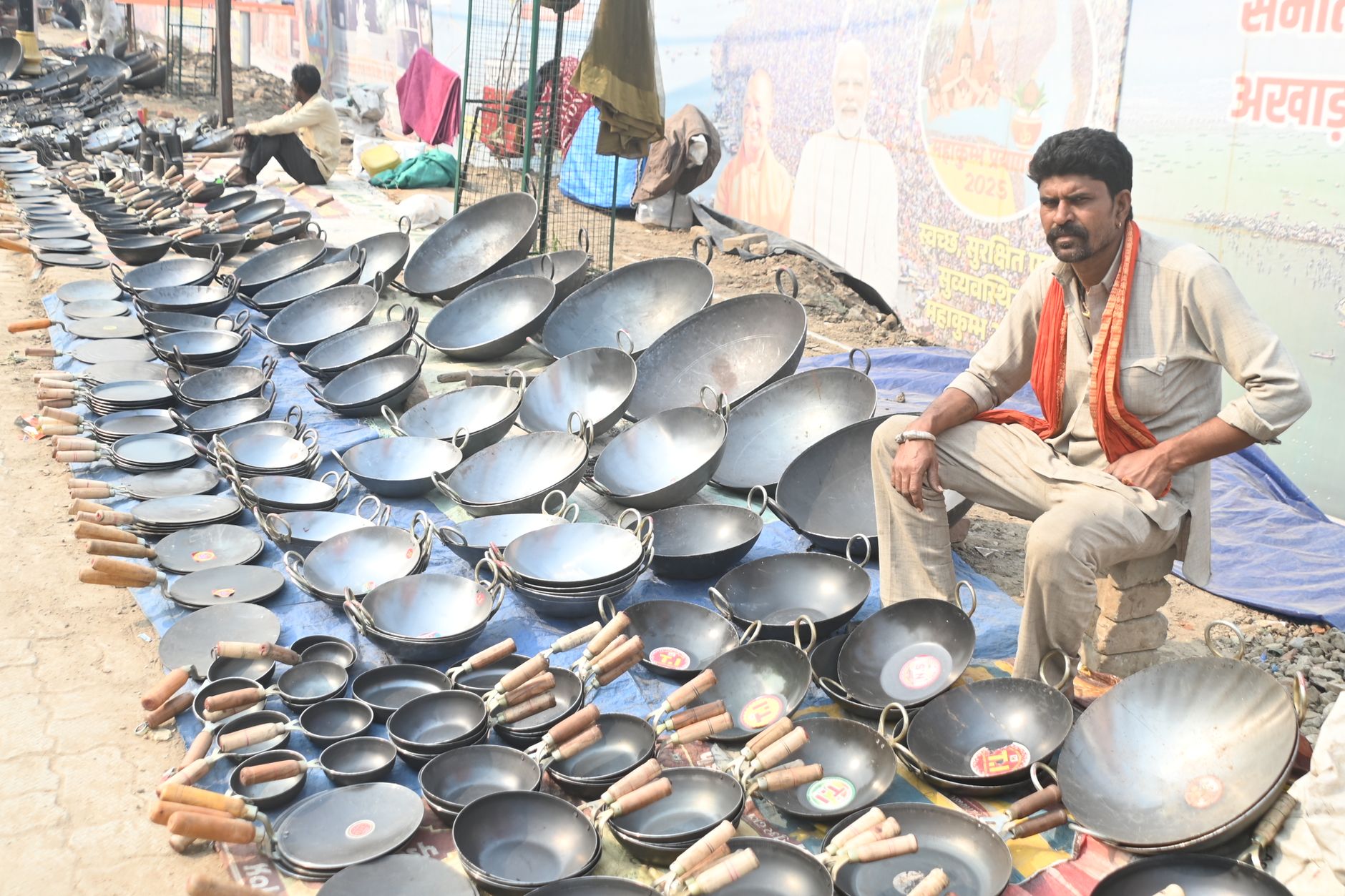 Photo: Satyabrata Maiti / Pexels
Gorakhpur, as the Chief Minister's home district, presents a different story in terms of development and administration. A positive attitude towards local administration was observed among the people here, especially concerning improvements in health services and road connectivity. However, some farmers and small traders expressed their disappointment regarding fair prices for agricultural produce and a lack of support for small businesses. This indicates that despite large-scale development, some ground-level problems still persist.
Overall, this ground report from these five cities in Uttar Pradesh clearly indicates that public sentiments towards the BJP are complex and multifaceted. On one hand, there is widespread support and appreciation for the government's major development works, improvements in law and order, and the preservation of cultural identity. The sentiment of 'we are staunch BJP supporters' is deeply ingrained in many, who believe in the party's ideology and leadership.
On the other hand, this support is coupled with a 'but'. This 'but' expresses concerns about rising inflation, unemployment, lack of local civic amenities, and the ground-level impact of certain government policies. People's expectations are not limited to large-scale development projects; they also seek solutions to issues affecting their daily lives.
This report suggests that the BJP enjoys strong public support in Uttar Pradesh, but this support is not unconditional. The public continuously expects better performance from the government and desires improvements in areas where challenges still exist. For political analysts, this is a crucial signal that voters' opinions are not static and they form their views based on performance.
In view of the upcoming elections, it will be important to understand how the BJP addresses these 'but' concerns. Will they be able to create more economic opportunities? Will they succeed in controlling inflation? And will they be able to effectively solve people's problems at the local level? The answers to these questions will determine the future political direction.
This ground report offers a glimpse into the political landscape of Uttar Pradesh, where support and expectations coexist. For the BJP, this is both a challenge and an opportunity to strengthen its base while also listening to and addressing those 'but' voices.
Public Expectations and Challenges
Conversations with the public also revealed that even staunch BJP supporters have additional expectations from the government. Foremost among these are control over inflation and an increase in employment opportunities. Small traders hope for simplification of GST and other tax policies, while farmers desire better Minimum Support Prices for their produce and improved market access. In urban areas, civic amenities such as better public transport, pollution control, and waste management also emerged as significant issues.
Political Implications
The political implications of this report are profound. It indicates that emotional or ideological appeals alone are not sufficient; ground-level performance and addressing people's real problems are equally important. The BJP will have to take these concerns seriously to retain its traditional voters. For the opposition, this could also be an opportunity to give a platform to these 'but' voices and present alternative solutions. Uttar Pradesh's politics has always been dynamic, and this report offers a clear picture of this dynamism.
