The Supreme Court has refused to directly hear the petition in the Bharat Tiwari encounter case, marking a new turn in this high-profile matter. The apex court has directed the petitioner to approach the concerned state High Court. This decision is consistent with the Supreme Court's established judicial protocols and procedural rules, which typically allow lower courts and High Courts the first opportunity to hear and investigate any case, especially when a thorough examination of factual aspects is required.
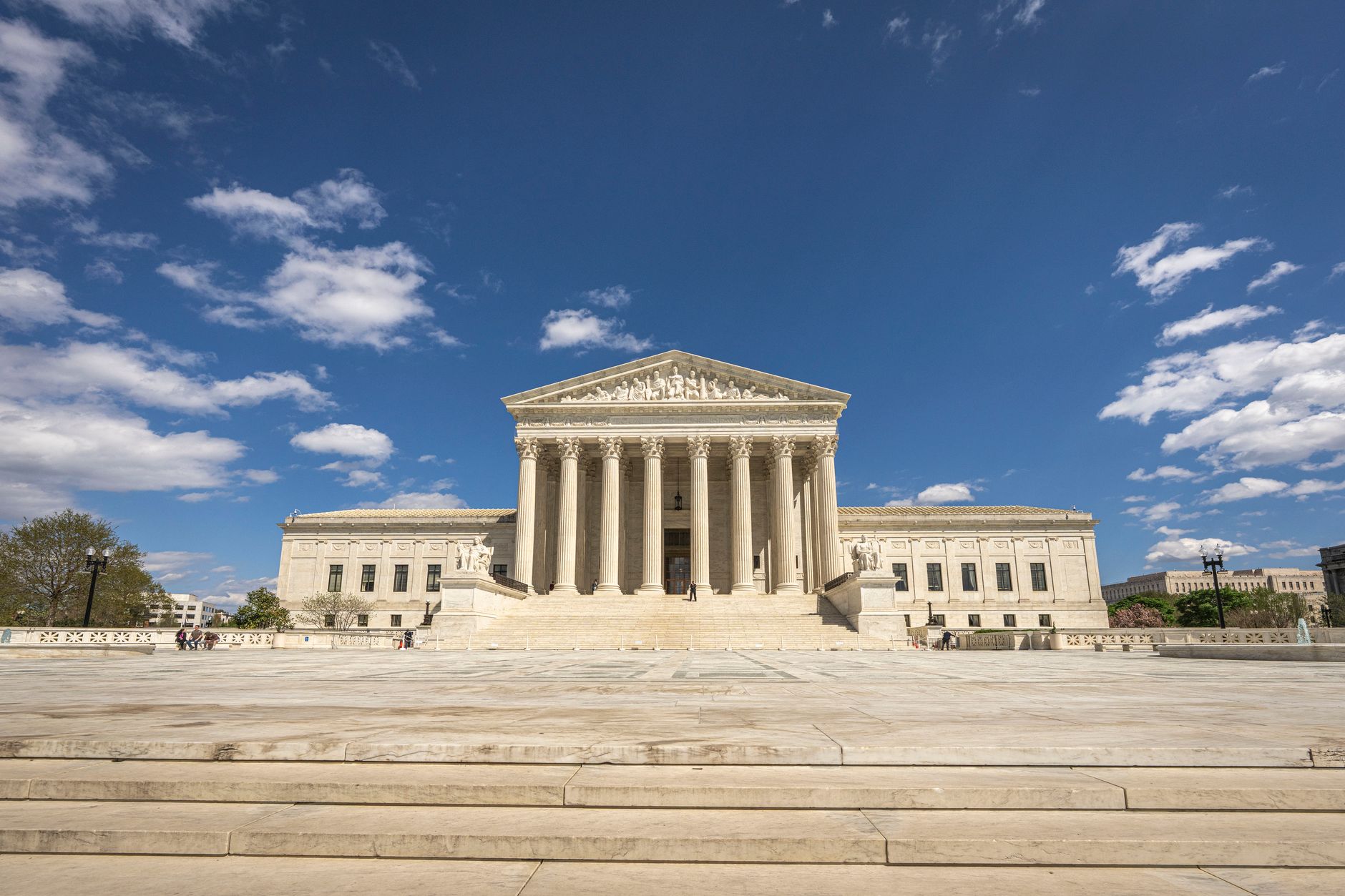 Photo: Mark Stebnicki / Pexels
This stance by the Supreme Court underscores the importance of hierarchy and jurisdiction within the judicial system. Generally, the Supreme Court refrains from direct intervention in cases involving factual disputes or requiring preliminary investigation, unless there are extraordinary circumstances or a direct violation of fundamental rights. In the Tiwari encounter case, it appears the court found the High Court to be a more appropriate forum for the initial investigation and factual verification of the matter.
The Significance of the High Court and Procedural Propriety
High Courts possess writ jurisdiction and are better positioned to examine evidence, hear witnesses, and evaluate circumstances. In sensitive cases like encounters, where the legality of police action is often questioned, a meticulous examination of facts and providing an opportunity for all parties to be heard is crucial. The Supreme Court's directive ensures that the case proceeds through proper judicial channels.
 Photo: Leandro Paes Leme / Pexels
This decision might be a setback for the petitioner, who was likely hoping for swift justice or direct intervention from the apex court. However, this is a standard operating procedure of the Indian judiciary. On numerous occasions, the Supreme Court has dismissed petitions on the grounds that the petitioner had not first approached the lower courts or High Courts. This emphasizes adherence to the 'due course of law'.
Given the nature of the Bharat Tiwari encounter case, which may involve allegations of unlawful police action and human rights violations, the High Court's role becomes even more critical. The High Court has the power to order a thorough investigation, seek responses from relevant authorities, and, if necessary, direct an independent inquiry in this matter.
 Photo: Mark Stebnicki / Pexels
It is also possible that the Supreme Court felt that no extraordinary constitutional question or issue of broad public interest has yet arisen in this case that would necessitate its immediate intervention. This is also a way for the court to manage its workload and ensure that each case is heard at the appropriate level.
The petitioner will now have to file their petition before the concerned state High Court. There, the facts of the case, police reports, and other relevant evidence will be considered in detail. Only after the High Court's decision, if the petitioner is not satisfied, can they approach the Supreme Court again, but by then, a detailed order and findings from the High Court will be available.
This development makes it clear how serious the judiciary, especially the Supreme Court, is about maintaining procedural purity and judicial hierarchy. It encourages citizens to follow the proper judicial process and exercise their rights at each level.
The Bharat Tiwari encounter case will now present a new challenge before the High Court. At this juncture, the High Court's role will be crucial in ensuring the truth and justice of the matter. It remains to be seen how the High Court handles this sensitive case and whether it raises any significant questions about the legality of the police action.
This decision also sets a precedent for cases where petitioners attempt to go directly to the Supreme Court, especially when they have the option of approaching lower courts or High Courts. This helps in maintaining the efficiency of the judicial system and the balance of access to justice.
Ultimately, the Supreme Court's refusal does not slow down the process of justice but rather ensures that every case is heard in a proper and systematic manner. This reflects the strength and principles of the Indian judicial system.