Recent allegations made by a popular YouTuber have stirred considerable discussion in the automotive world. The YouTuber claimed that their Toyota Innova Hycross had suffered damage due to the use of E20 ethanol-blended petrol. This accusation has raised concerns among consumers who are transitioning towards new-generation fuel options.
 Photo: 112 Uttar Pradesh / Pexels
Amidst the Indian government's push to promote ethanol blending, E20 petrol is being presented as an environmentally friendly alternative. However, the YouTuber's claim has sparked a significant debate on the compatibility of E20 fuel and its potential effects on vehicles, especially those not specifically designed or fully optimized for E20.
The Toyota Innova Hycross, being a hybrid vehicle, is known for its fuel efficiency and reliability. Therefore, the claim of problems arising with this model due to E20 petrol was surprising to many. In their complaint, the YouTuber mentioned some unusual engine behavior and a decline in performance, which they directly attributed to E20 fuel.
 Photo: 𝓢𝓱𝓪𝓷𝓮 𝓦𝓮𝓼𝓽 ™ / Pexels
Considering the seriousness of the matter, Toyota India promptly took cognizance of it. The company has issued an official statement in response to the YouTuber's allegations. Toyota clarified in its statement that their vehicles, especially the Innova Hycross, comply with Indian government standards and are designed for the use of E20 fuel.
Toyota also stated that all their new vehicles undergo rigorous testing for compatibility with E20 fuel. The company has assured customers that the use of E20 fuel will not affect the performance or longevity of their vehicles, provided the vehicle is properly maintained and manufacturer guidelines are followed.
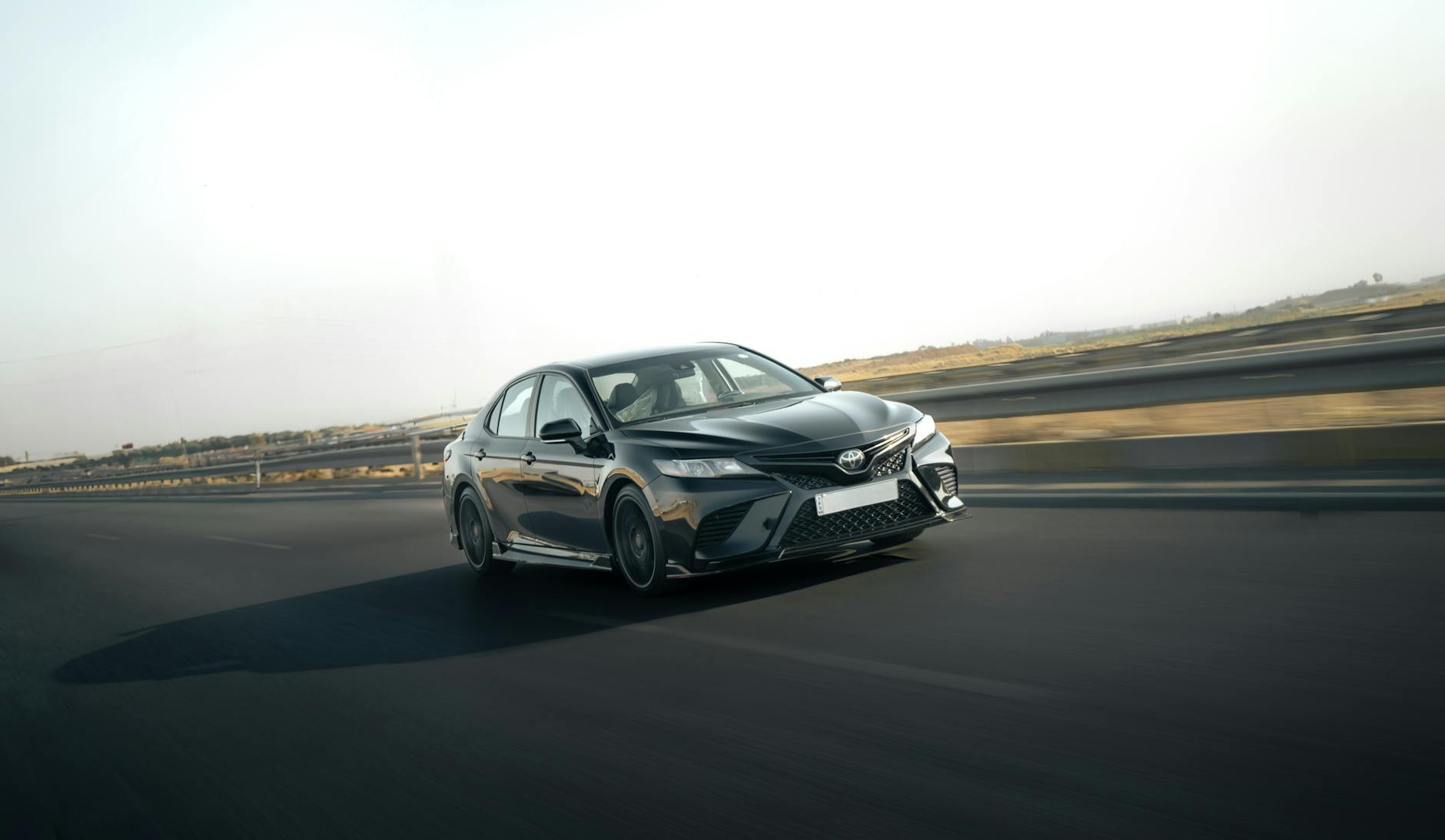 Photo: Harem / Pexels
However, Toyota also indicated that there could be several other reasons for the vehicle's problem, including lack of maintenance, use of incorrect fuel (if any incompatible fuel other than E20 was mixed), or other mechanical malfunctions. The company has offered to conduct a thorough inspection of the YouTuber's vehicle to determine the precise cause of the issue.
This incident is a significant learning curve for the Indian automotive industry. As the country moves towards ethanol blending, vehicle compatibility and the dissemination of correct information among consumers become paramount. Companies must not only produce E20-compatible vehicles but also educate consumers about their proper use and maintenance.
The objective of E20 petrol is to enhance India's energy security, reduce import dependence, and lower carbon emissions. This is an ambitious goal, but it can only be successfully achieved if consumers have confidence in its use and if any potential problems are addressed promptly and transparently.
Toyota's swift response in this matter is a positive step. It demonstrates that the company takes its customers' concerns seriously. However, this incident has once again highlighted the need for both vehicle manufacturers and consumers to be cautious when adopting new fuel standards.
What happens next will depend on the results of the inspection of the YouTuber's vehicle. If the problem is indeed found to be related to E20 petrol, it could necessitate a reconsideration of E20 compatibility standards and testing procedures in the future. If not, it will underscore the need for awareness campaigns to prevent the spread of misinformation among consumers.
This incident underscores the importance of transparency and open communication to maintain trust between the automotive industry and consumers. Both parties must work together to ensure a smooth transition to cleaner and more sustainable fuel options in India.
Ultimately, the resolution of this matter will be significant not only for Toyota and the YouTuber but also for the entire Indian automotive market and the future of E20 fuel. It is a case that both the industry and consumers are closely watching.
E20 Petrol and Vehicle Compatibility: An Emerging Challenge
The prevalence of E20 petrol is rapidly increasing in India, but along with it, some uncertainties regarding vehicle compatibility are also emerging. While most new vehicles are designed for E20, the long-term effects on older models and certain specific components are still being studied. This incident highlights that consumers should be fully informed about their vehicle's fuel compatibility.