The absence of Mojtaba Khamenei, son of Iran's Supreme Leader Ali Khamenei, from his father's funeral has sparked numerous speculations. This absence is particularly significant given that Mojtaba was widely considered a potential successor to his father. The development has ignited widespread discussion in regional and international media, with many analysts pointing to Israel as the potential reason for this unexpected non-appearance.
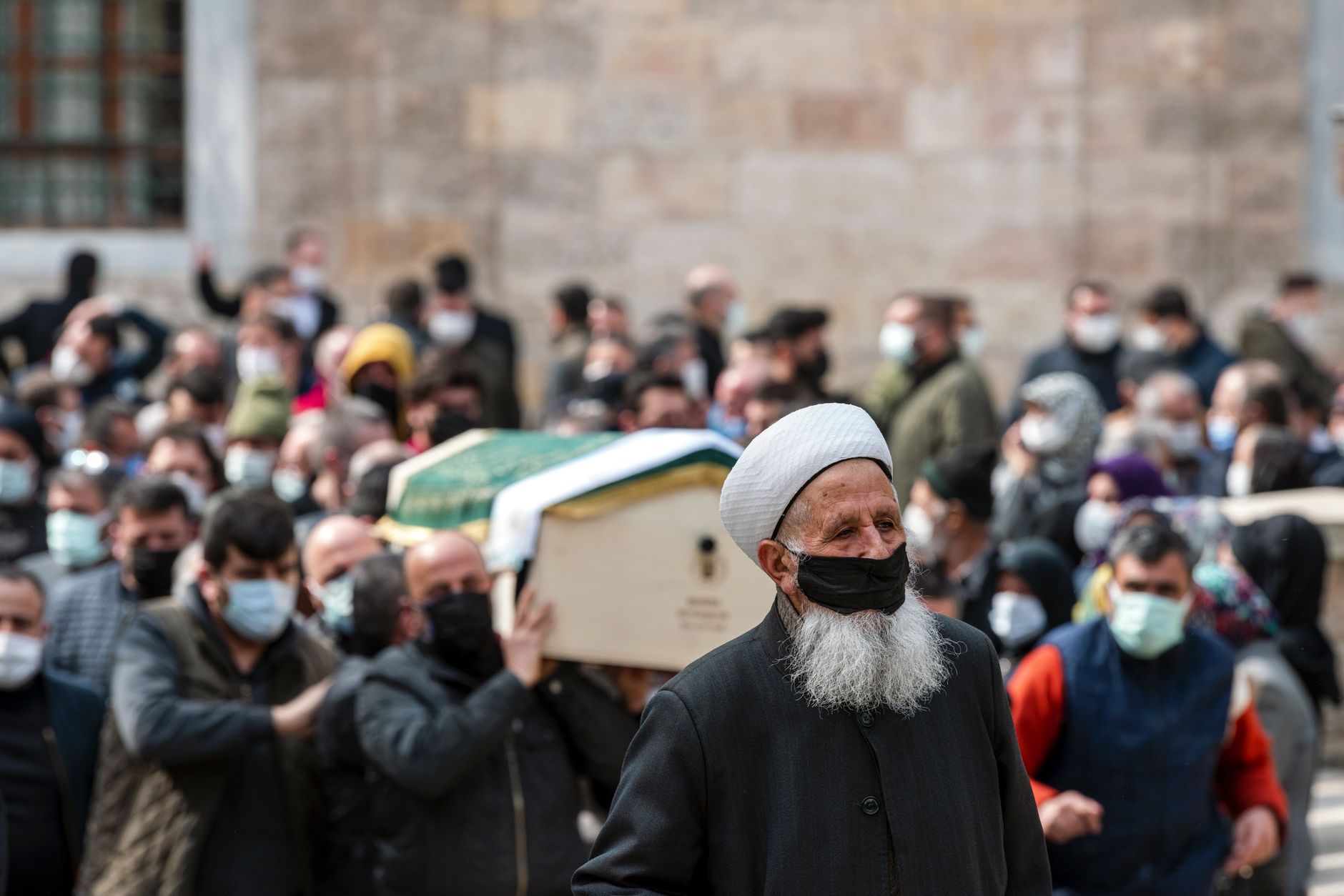 Photo: Mustafa KILIÇ / Pexels
Mojtaba Khamenei's public appearances have always been limited, but his non-presence at such a crucial event as his father's funeral raises a major question. This incident hints at the complex intricacies and potential internal conflicts unfolding within Iran's corridors of power. In the transitional period following the Supreme Leader's demise, Mojtaba's role and future could be extremely crucial for Iran's political direction.
Speculations of Israeli Intervention
Many reports and analysts believe that Israel might be behind Mojtaba's absence. It is being alleged that Israel either targeted Mojtaba in some way or created such serious security concerns that he was prevented from appearing publicly. However, no concrete evidence has yet emerged to confirm this claim, but given the decades-old animosity and recent tensions between Iran and Israel, such speculations are gaining traction.
 Photo: cottonbro studio / Pexels
Iran and Israel have a history of covert operations and cyberattacks. Both countries have attempted to target each other's significant figures and establishments. In such a scenario, it is not surprising that the absence of a high-profile individual like Mojtaba is being linked to a clandestine Israeli operation. It is also possible that Iran itself, for security reasons, prevented Mojtaba from appearing publicly to avert any potential threat.
This situation has created an atmosphere of uncertainty within Iran. The issue of the Supreme Leader's succession has always been sensitive, and Mojtaba's absence has further complicated this process. For both his supporters and opponents, this is a significant development that could influence future political maneuvers.
 Photo: cottonbro studio / Pexels
Iran's Internal Politics and Succession
The position of Supreme Leader in Iran is immensely powerful, controlling the country's policies, foreign relations, and military decisions. Ali Khamenei, during his decades in office, guided Iran in a distinct direction. Following his demise, several contenders may emerge for this position, with Mojtaba Khamenei being a prominent name. His absence might have paved the way for other potential candidates or strengthened their positions.
Power struggles between various factions and powers within Iran are not new. These struggles often intensify after the demise of a Supreme Leader. Mojtaba's non-presence can also be seen as an indication of this internal power struggle, where his rivals might have attempted to weaken his position. It is also possible that his absence is part of an internal security concern or a political strategy.
This development could also have broader implications for regional geopolitics. Iran is a crucial player in the Middle East, and its internal stability and leadership directly affect other countries in the region, particularly Israel and Saudi Arabia. The uncertainty arising from Mojtaba's absence could heighten regional tensions or lead to new alliances.
In conclusion, Mojtaba Khamenei's absence from Ali Khamenei's funeral remains a mystery. Be it speculations related to Israel or Iran's internal politics, this event holds significant implications for Iran's future. Only in the coming days will it become clear what the actual reason for this absence was and what impact it will have on Iran's political direction.