A deeply concerning picture of the education system has emerged from Bilaspur district in Chhattisgarh, where a government school is operating under a Peepal tree due to the lack of a proper building. This situation not only compromises the future of the students but also represents a blatant violation of the right to education. Due to this deplorable state, many parents are being forced to withdraw their children from the school, raising serious questions about the accessibility and quality of education in rural areas.
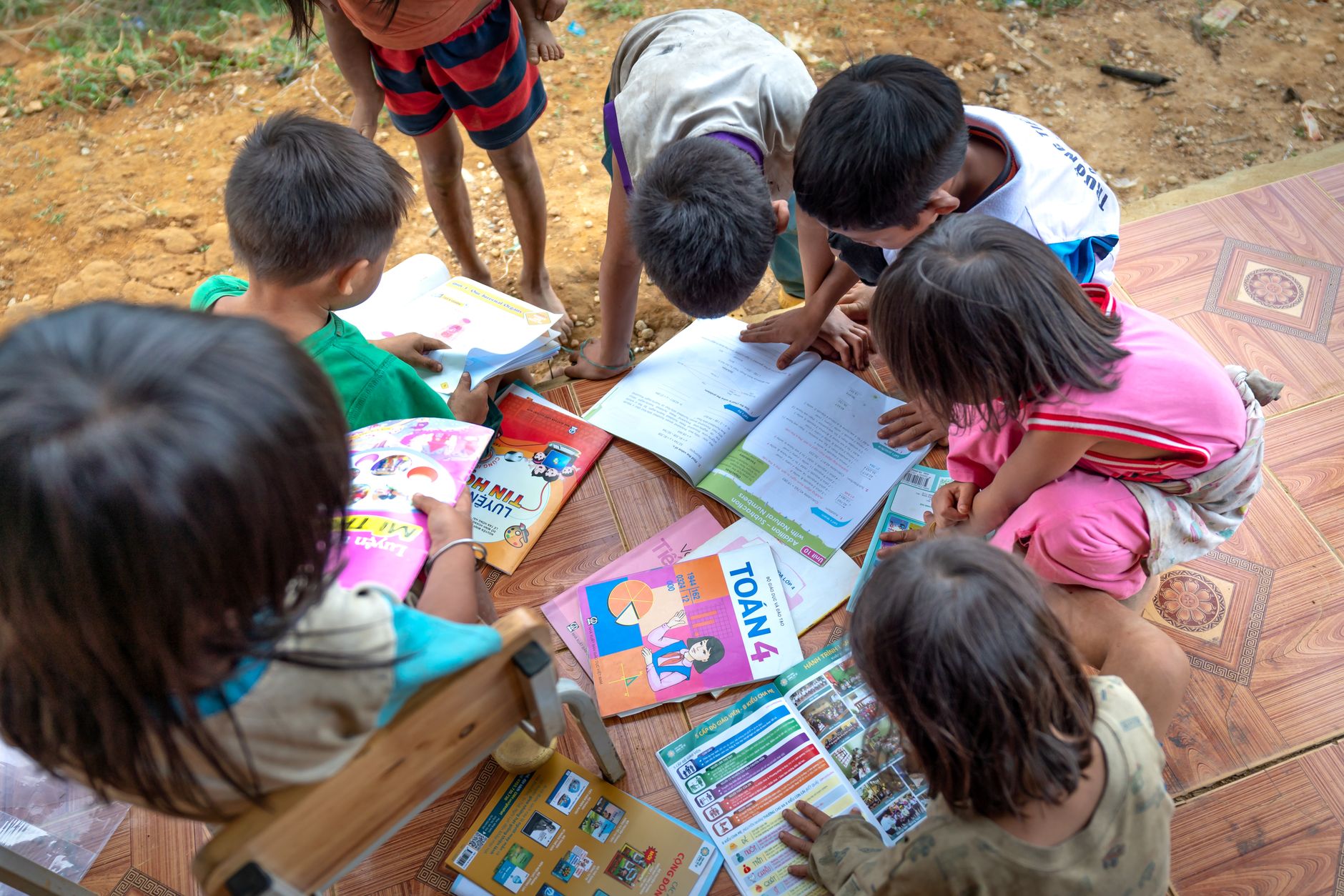 Photo: Quang Nguyen Vinh / Pexels
The incident pertains to a remote village in Bilaspur, where primary school children are compelled to study in the open air, under the shade of a Peepal tree. The absence of a school building means that seasonal conditions like heat, rain, and cold directly impact the children's studies. During the rainy season, the school has to be completely shut down, leading to significant loss of learning time for the children. This situation highlights the severe lack of basic educational infrastructure in rural India.
Parents report that they have repeatedly appealed to local administration and education department officials for the construction of a school building, but their pleas have gone unheard. Exhausted and worried about their children's future, they are now considering enrolling them in other schools or, in some cases, even withdrawing them from education altogether. This situation is particularly tragic for poor families who cannot afford the expensive fees of private schools.
 Photo: Gustavo Fring / Pexels
This incident also casts a shadow on the effective implementation of the Right to Education (RTE) Act, which guarantees free and compulsory education to every child between the ages of 6 and 14 years. Under the Act, every school is mandated to provide minimum basic facilities, which include a safe and appropriate building. The operation of a school under a Peepal tree clearly violates these standards.
Experts believe that such circumstances severely affect the children's learning environment. Studying in the open leads to distractions, exposes them to seasonal illnesses, and can diminish their interest in education. Furthermore, it can contribute to an increase in the dropout rate, especially for girls, whose parents might hesitate to send them to school due to safety concerns.
 Photo: Arie Rachmat / Pexels
The Bilaspur district administration needs to take immediate notice of this matter and find a permanent solution. The construction of a school building is not the only answer; it is also crucial to ensure that all such government schools lacking basic facilities are upgraded on a priority basis. The education department should regularly monitor the infrastructure of schools in rural areas.
This incident is not isolated to Bilaspur but is emblematic of the deplorable state of education in many rural and remote areas across the country. Without adequate investment in education and effective policies, India will not be able to fully capitalize on its demographic dividend. Providing quality education to children is not just their right but also a crucial investment in the nation's future.
Local representatives and non-governmental organizations are also expected to raise this issue and pressure the administration to ensure that children receive a safe and dignified educational environment. No society can progress without education, and such a situation cannot be tolerated.
Violation of Right to Education and Impact on Future
The Right to Education Act, 2009, has been a landmark for children in India, but this incident in Bilaspur demonstrates the significant challenges that still exist in implementing its provisions at the grassroots level. Providing a safe and stimulating learning environment is the foundation of education, and when this foundation is weak, it naturally has a negative impact on children's academic performance and their overall development.
Studying in the open not only causes physical discomfort but can also make children feel mentally insecure. It is extremely difficult to maintain concentration amidst dust, noise, and weather fluctuations. In such circumstances, children's learning abilities are affected, and they are unable to perform to their full potential. This situation can limit their future prospects and trap them in a cycle of poverty.
Parents' decision to withdraw their children is a serious indication that they are losing faith in the current education system. When parents are forced to deprive their children of education, it reflects a failure of the government education system. The government must ensure that every child, regardless of their background, receives quality and accessible education.
The solution to this problem should not be merely immediate but part of a long-term plan. This includes not only the construction of school buildings but also the provision of adequate teachers, teaching materials, and other basic facilities. Investment in education should be viewed as a crucial investment for the future, rather than an expenditure.
This incident is a wake-up call for both the state and central governments to make greater efforts to strengthen educational infrastructure and provide quality education to children in rural areas. Only through effective implementation of plans at the grassroots level, and not just by formulating them on paper, will India become an educated and empowered nation.