Demolition efforts to clear an entire neighborhood in Nakti village for the construction of an MLA colony have commenced amidst widespread protests. Despite strong opposition from local residents, the administration has proceeded with its actions. This incident highlights the growing tension between the rights of local communities and large-scale development projects.
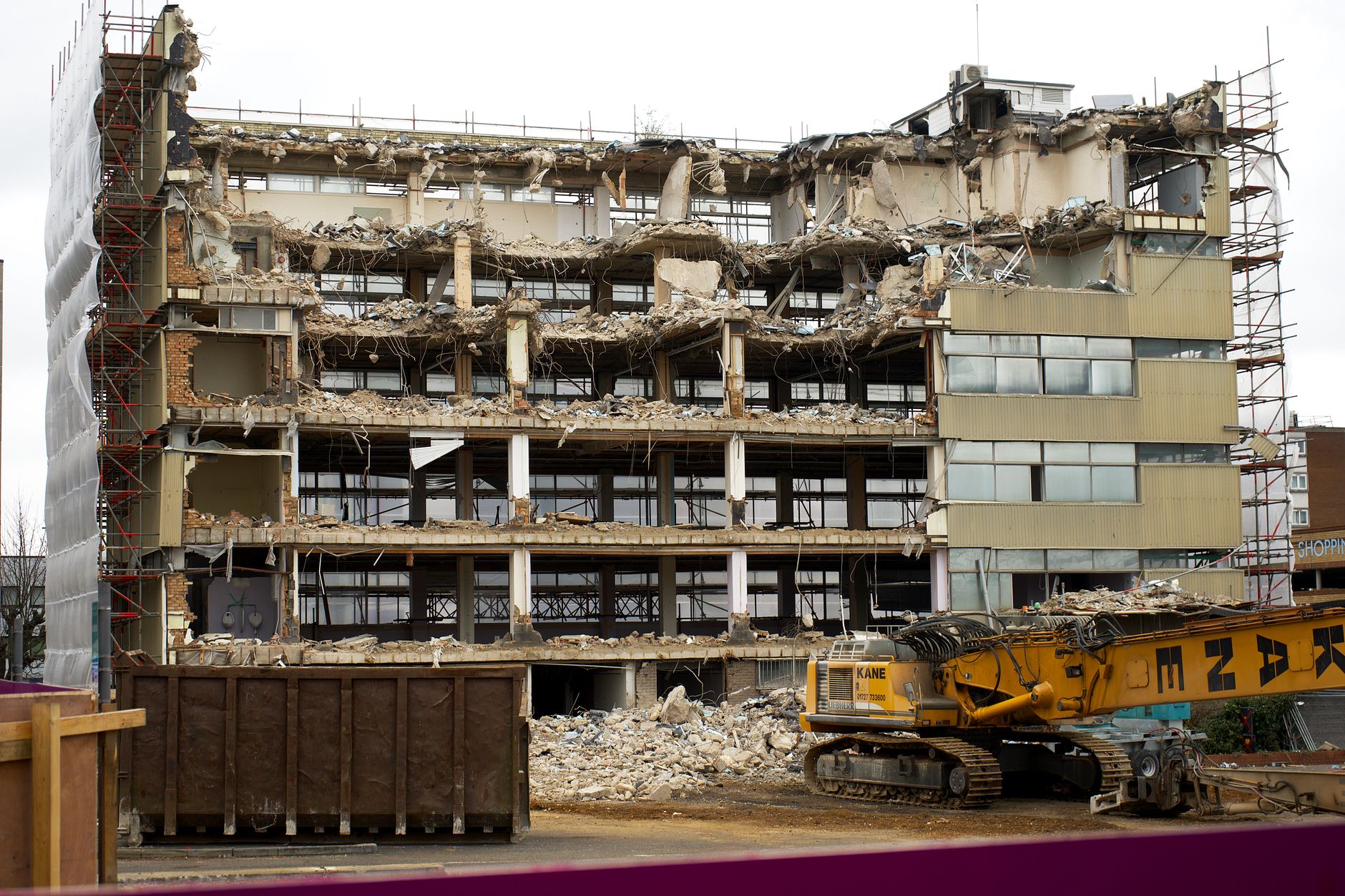 Photo: Mike Bird / Pexels
Villagers claim they are being evicted from their homes without adequate compensation or alternative housing arrangements. Many families have resided in this area for decades and have no other means of livelihood. According to them, the government should consider the human aspect when implementing development projects.
Local Outcry and Administrative Stance
The atmosphere in Nakti village was tense from the morning. A large police contingent was deployed to prevent any untoward incidents. As bulldozers arrived at the site, hundreds of villagers gathered in front of their homes, chanting slogans like 'We want justice' and 'Don't demolish our homes'.
 Photo: CP Khanal / Pexels
Local women and children also joined the protests, witnessing their homes being torn down before their eyes. Some protesters attempted to lie down in front of the bulldozers but were removed by the police. The administration maintains that this action is being carried out under due legal process and that affected families will receive appropriate compensation.
However, villagers contend that the compensation offered is far below market value and insufficient for them to purchase new homes elsewhere. They also allege that they were not given adequate time for displacement, making it impossible to retrieve their belongings and property.
 Photo: Diana Khwaelid / Pexels
This project is part of an ambitious MLA colony, touted as crucial for the region's development. The government argues that the construction of this colony will provide better facilities and infrastructure in the area, thereby accelerating overall development.
But for the local residents, this development has become an existential threat. They are outraged by the fear of losing their ancestral homes and community life. Several social activists and human rights organizations are also intervening in the matter, demanding that the government formulate a just policy for rehabilitation and compensation.
This incident once again brings to the forefront the challenge of balancing development projects with the rights of local communities. Often, in the name of development, vulnerable sections are displaced, which has a profound negative impact on their lives.
The government needs to adopt a more sensitive approach when implementing such projects, ensuring that the voices of affected people are heard and that they are provided with an opportunity to live a dignified life. Only then can development be inclusive and sustainable.
Despite the protests, bulldozers continued their work, and many homes have already been demolished. Villagers have vowed to continue their fight and are exploring legal options. It remains to be seen what resolution emerges from this standoff between the administration and the villagers in the coming days.
Meanwhile, opposition parties have also raised the issue, accusing the government of acting against the poor. They have demanded immediate rehabilitation and adequate compensation for the affected families. This issue has now gained political momentum.
This incident reflects the broader issue of displacement due to land acquisition and development projects across the country. Such cases often lack transparency and proper consultation with affected people, leading to tension and conflict.
The case of Nakti village serves as a warning that development should not be measured solely on economic figures, but its social and human impacts must also be considered. For a just society, it is essential that no development project renders anyone homeless or helpless.